Small rooms can feel cozy—but they can also feel cramped, cluttered, and hard to decorate. The good news is you don’t need a big budget or a full renovation to make your space feel larger. With a few smart changes, you can create the illusion of more space and make your room feel open, bright, and comfortable.
In this guide, you’ll learn simple, affordable ways to make a small room look bigger without spending a lot of money.
Start With Decluttering
Before you buy anything or move things around, start by removing what you don’t need.
Clutter is one of the biggest reasons a room feels small. Too many items—especially on surfaces—can make the space look crowded and overwhelming.
Easy decluttering tips:
- Clear off tables, shelves, and countertops
- Keep only items you use or love
- Store extra items in bins, baskets, or drawers
- Donate or recycle things you no longer need
A clean and organized room instantly feels bigger and more relaxing.
Use Light Colors on Walls
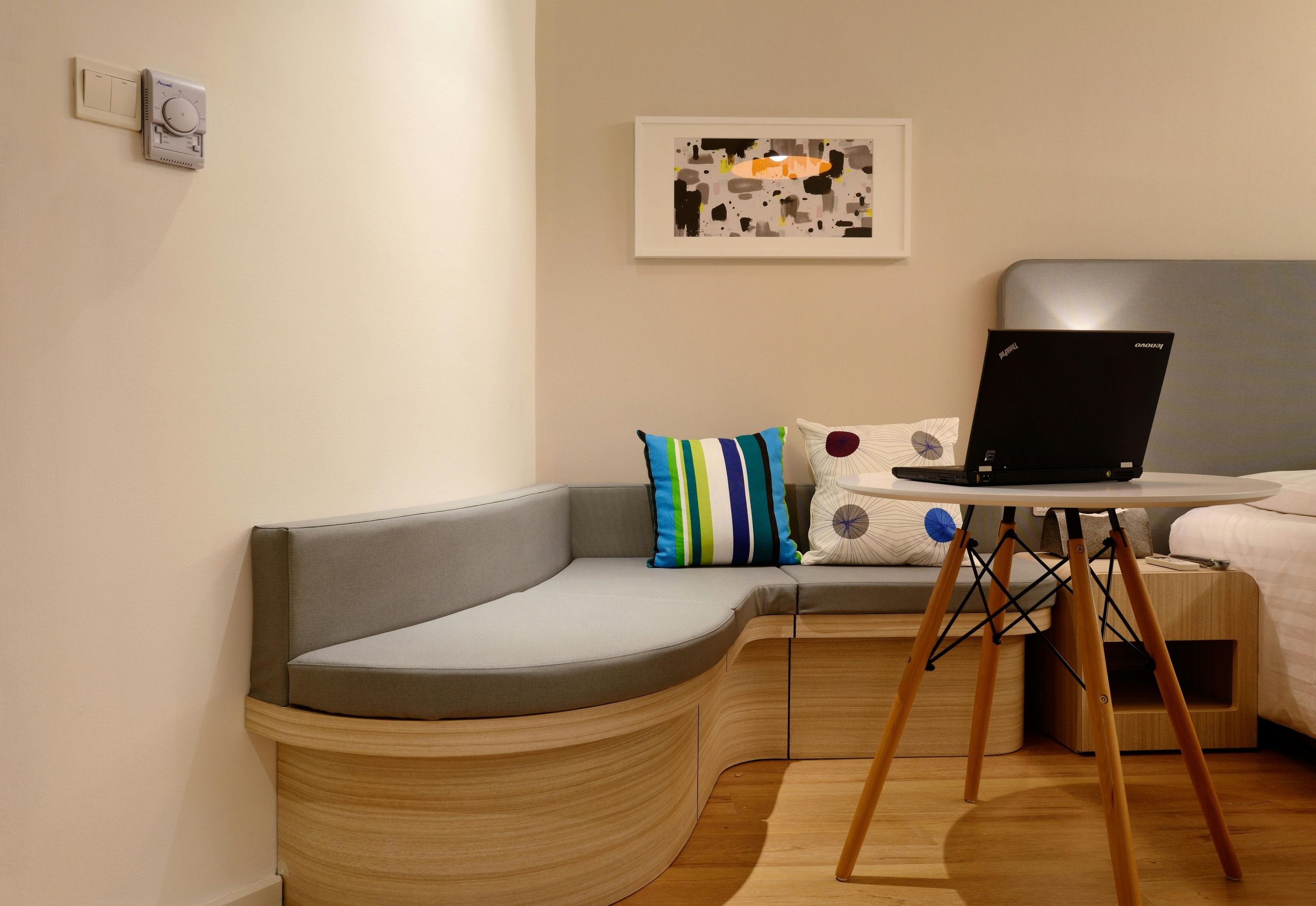
Color has a powerful effect on how a room looks and feels.
Light colors reflect more light, which helps open up a space. Dark colors absorb light and can make walls feel closer together.
Budget-friendly ideas:
- Use affordable paint to refresh your walls
- Choose shades like white, soft gray, beige, or pale blue
- Stick to a simple color palette for a clean look
Even a single coat of paint can make a huge difference in how spacious your room feels.
Let in More Natural Light
Natural light can make any room feel bigger and more inviting.
If your room feels dark, it will likely feel smaller than it actually is.
Ways to increase natural light:
- Keep windows clean and unobstructed
- Use sheer or light-colored curtains
- Avoid heavy or dark window coverings
If possible, arrange your furniture so it doesn’t block light from entering the room.
Add Mirrors to Reflect Space
Mirrors are one of the easiest and most affordable ways to make a room look bigger.
They reflect both light and the surrounding space, which creates the illusion of depth.
How to use mirrors:
- Place a mirror across from a window
- Hang a large mirror on one wall
- Use multiple smaller mirrors as decor
You don’t need expensive mirrors—budget-friendly options work just as well.
Choose the Right Furniture Size
Oversized furniture can quickly make a small room feel cramped.
Instead, choose pieces that fit the scale of your space.
Tips:
- Use smaller or slim-profile furniture
- Avoid bulky pieces with heavy frames
- Choose furniture with exposed legs to create a lighter look
Furniture that fits well allows for better movement and makes the room feel more open.
Rearrange Your Layout
Sometimes, simply changing your layout can make a big difference.
A poor arrangement can block pathways and make the room feel tighter than it is.
Try this:
- Create clear walking paths
- Avoid overcrowding one side of the room
- Place furniture where it makes the most sense for daily use
Don’t be afraid to experiment until you find a layout that feels right.
Use Multi-Functional Furniture
If you’re working with limited space, every piece of furniture should serve a purpose.
Multi-functional furniture helps reduce clutter and makes better use of your space.
Examples:
- Storage ottomans
- Beds with drawers underneath
- Foldable tables or desks
- Shelves that double as decor
These pieces help you stay organized without adding extra items to the room.
Keep the Floor Visible
The more floor you can see, the bigger your room will feel.
When the floor is hidden by too many items, the space looks more crowded.
How to do this:
- Choose furniture with legs
- Avoid placing too many items directly on the floor
- Use rugs that don’t cover the entire space
Keeping the floor visible creates a sense of openness.
Use Vertical Space
When you can’t go wide, go up.
Using vertical space draws the eye upward, which can make the room feel taller and more spacious.
Ideas:
- Install shelves higher on the wall
- Hang curtains closer to the ceiling
- Use tall, narrow storage units
This helps you maximize storage while keeping the floor area clear.
Keep Decor Simple
Too much decor can make a small room feel busy.
Instead, focus on a few key pieces that add style without overwhelming the space.
Tips:
- Choose a few statement pieces
- Avoid overcrowding shelves and walls
- Stick to a consistent style
Simple decor helps your room feel calm and organized.
Use Rugs to Define Space
Rugs can help organize a small room and make it feel more structured.
Even in a small space, a rug can create the illusion of separate areas.
How to use rugs:
- Place a rug under key furniture pieces
- Choose light-colored or simple patterns
- Make sure the rug fits the scale of the room
A well-placed rug adds comfort and visual structure.
Improve Your Lighting
Good lighting can make a small room feel bigger and more inviting.
Relying on one overhead light can leave parts of the room dark and cramped.
Budget lighting ideas:
- Add a floor or table lamp
- Use brighter bulbs where needed
- Light up darker corners
A well-lit room feels more open and comfortable.
Keep a Consistent Color Scheme
Using too many colors can break up the space visually.
A consistent color scheme helps create a smooth, unified look.
Tips:
- Stick to 2–3 main colors
- Match decor with your wall color
- Avoid strong contrasts
This helps your room feel more cohesive and spacious.
Hang Curtains Higher
Where you place your curtains can affect how tall your room looks.
What to do:
- Hang curtain rods closer to the ceiling
- Use long curtains that reach the floor
This draws the eye upward and makes the room feel taller.
Use Transparent or Reflective Materials
Materials like glass and acrylic can make a room feel less crowded.
Examples:
- Glass coffee tables
- Acrylic chairs
- Reflective surfaces like metal or mirrors
These materials don’t visually block space, which helps keep the room feeling open.
Add a Focal Point
A focal point helps organize the room and guide the eye.
Without one, the space can feel scattered.
Ideas:
- A piece of artwork
- A mirror
- A styled bed or sofa
When the eye has a place to focus, the room feels more put together.
Use Wall Color Tricks to Create Depth
Paint isn’t just about choosing a nice color—it’s also about how you use it to shape the space. With a few simple techniques, you can make your room feel deeper and more open without spending much money. One effective trick is to create contrast in a subtle way. For example, painting one wall slightly darker than the others can add depth and make the room feel longer. Cooler tones like soft blue or gray also tend to recede visually, which helps push walls “farther away.”
You can also use simple patterns to change how the room feels. These don’t have to be bold or dramatic—small changes in tone can still make a big impact.
- Vertical lines or panels can make ceilings feel taller
- Horizontal lines can make walls appear wider
- Painting the ceiling a lighter shade can lift the space visually
If you don’t want to commit to paint, peel-and-stick wallpaper is a great budget-friendly option. It’s easy to apply, removable, and comes in designs that can help create depth or height.
With the right approach, even small paint changes can completely shift how your room looks and feels.
Choose Decor That Enhances Space, Not Clutters It
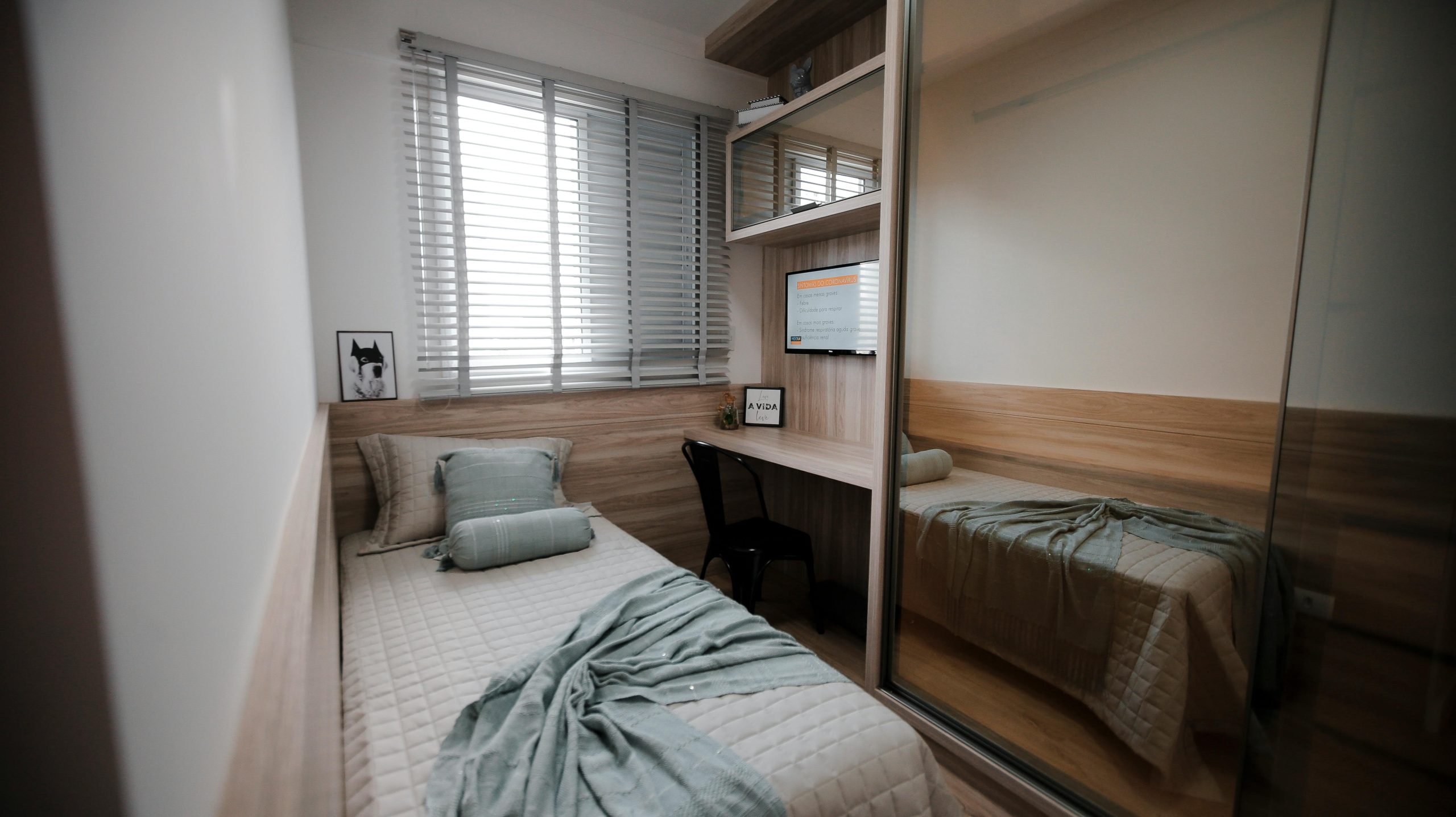
When decorating a small room, less is often more. Adding too many items can make the space feel crowded, even if everything is stylish. Instead, focus on choosing decor that adds value without overwhelming the room.
Start by selecting a few standout pieces rather than filling every surface. A single large artwork or mirror can have more impact than several smaller items. This keeps the room looking clean and organized.
- Choose a few statement pieces instead of many small decorations
- Use mirrors or reflective decor to bounce light around the room
- Pick items that serve both style and function, like baskets or trays
It’s also important to leave some empty space. While it may feel like you need to fill every corner, open areas actually help the room feel bigger and more relaxing.
By being more intentional with your decor, you can create a space that feels balanced, functional, and much more spacious.
Final Thoughts
Making a small room look bigger doesn’t have to cost a lot of money. With simple, budget-friendly changes, you can create a space that feels open, bright, and comfortable.
Start with decluttering and using light colors. Then add mirrors, improve lighting, and choose furniture that fits your space. Small adjustments—like rearranging your layout or hanging curtains higher—can make a big impact.
The goal is to make your room feel functional, organized, and welcoming. With a little creativity and effort, even the smallest space can feel much larger than it really is.