
The transition from winter to spring is a critical juncture for a home’s structural integrity and infrastructure. As the grip of freezing temperatures relaxes, the sudden shift in weather patterns introduces unique challenges to residential water and climate systems. Thawing ground shifts, rapid snowmelt, and heavy seasonal downpours can create a perfect storm of pressure, moisture, and wear on a property. While most homeowners associate spring cleaning with dusting baseboards and washing windows, the true health of a household depends on the invisible networks of pipes, valves, and drains that keep daily life running smoothly.
Ignoring the subtle impacts of winter stress can lead to catastrophic failures when the heavy rains of spring arrive. Water expands when it freezes, exerting immense pressure on metal and plastic lines alike. Even a minor hairline fracture caused by a winter freeze can turn into a torrential indoor flood once water pressure normalizes and usage increases in the warmer months. Taking a proactive approach to maintenance during this transitional window protects your financial investment and ensures your living space remains safe, dry, and efficient.
1. Inspecting Your Interior Pipes and Fixtures

The first step in a thorough spring maintenance routine begins inside the home, focusing on the fixtures and cabinets that hide daily plumbing connections. Winter temperatures can cause materials to contract, which often weakens joints and seals. Start your inspection in the kitchen and bathrooms by completely emptying the cabinets beneath your sinks. Use a high-powered flashlight to conduct a rigorous visual scan of all vertical supply lines, flexible hoses, and P-traps.
Look carefully for any subtle signs of moisture, such as a damp floorboard, warped wood, or a musty odor. Run the faucets on both hot and cold cycles, checking the packing nuts around the handles for small drips. Even a tiny, slow drip can waste hundreds of gallons of water over a season and gradually rot the cabinetry underneath. If you notice persistent moisture or corrosion around your pipe joints, addressing it immediately prevents sudden pipe separations under high usage. For complex setups or persistent leaks, investing in a professional local plumbing repair ensures the integrity of your home’s water distribution network.
Testing your toilets is another crucial interior task, as silent leaks can quietly inflate your utility bills. A common culprit is a degraded flapper valve in the tank, which allows water to constantly seep into the bowl. To test this, place a few drops of food coloring into the toilet tank and wait twenty minutes without flushing. If the color appears in the bowl, your flapper needs replacement. If you discover water pooling around the base of the toilet or notice the fixture rocking when you sit, the wax ring sealing it to the floor may have failed. Resolving these issues early protects your subfloor from dry rot, and consulting an experienced plumber can save you from a complicated bathroom renovation down the line.
2. Revitalizing Your Water Heating System
During the cold winter months, your water heater works overtime to heat freezing intake water, which accelerates the accumulation of sediment at the bottom of the tank. This sediment, largely composed of calcium and magnesium minerals, acts as an insulating blanket between the burner and the water. As a result, the system must run longer and hotter to achieve the same temperature, wasting energy and wearing out the tank liner. Spring is the ideal time to flush this debris out and restore the energy efficiency of your unit.
While working on the tank, it is vital to test the temperature and pressure relief valve, which is the primary safety mechanism preventing the unit from over-pressurizing. Briefly lift the lever on the valve to ensure water discharges into the overflow pipe and stops completely when released. If the valve continues to drip or feels stuck, it must be replaced immediately. Scheduling an annual water heater service can catch these hidden dangers early and maximize the lifespan of your equipment. When a system reaches the end of its operational life, hiring certified plumbing contractors guarantees a safe, code-compliant installation of a new, highly efficient model.
3. Protecting Your Basement from Spring Thaws
Spring brings heavy, unpredictable rain showers and rapid snowmelt, which can oversaturate the soil surrounding your foundation. This creates hydrostatic pressure, forcing groundwater through tiny cracks in your basement walls or up through the floor. Your primary defense against this destructive moisture is a fully functional sump pump system. Testing this system before the first major storm of the season is non-negotiable if you want to avoid a catastrophic basement flood.
Relying solely on a primary pump connected to your home’s electrical grid leaves you vulnerable, as severe spring storms frequently cause power outages. A battery-powered backup pump or a water-powered backup system provides an invaluable safety net. If you notice signs of electrical failure or find that your pump cannot keep up with incoming water, reaching out to a specialized sump pump repairman can protect your basement from ruin. Establishing a connection with a dependable plumbing service ensures that you have a trusted technician to call when severe weather challenges your home’s defenses.
4. Clearing Your Drainage and Waste Systems

For minor clogs in sinks and showers, avoid harsh chemical drain cleaners, which generate intense heat that can deform PVC pipes or corrode older cast iron. Instead, use a simple mechanical zip-it tool to pull out hair tangles, or use a hand auger to clear stubborn soap plugs. For comprehensive maintenance, scheduling a professional drain cleaning uses advanced tools like hydro-jetting to completely scour the interior walls of your pipes, returning them to like-new condition. This process removes years of buildup that standard plungers cannot touch.
The external drainage lines also require attention, particularly regarding the main sewer line running from your house to the municipal street connection. Spring is a season of aggressive root growth, as trees wake up from winter dormancy and seek out moisture. Tiny joints or micro-cracks in older clay or cast-iron sewer lines are highly attractive to these roots, which can quickly fill the pipe and cause a raw sewage backup into your lower levels. Utilizing comprehensive plumbing services to conduct a preventative camera inspection can identify these root intrusions before they cause a plumbing disaster.
5. Managing Your Home’s Climate Systems
As the weather warms, your home’s focus shifts from retention of heat to the circulation of cool, conditioned air. This transition requires a dedicated inspection of your central air conditioning unit or heat pump system. Months of winter inactivity can leave outdoor condenser units covered in dead leaves, fallen branches, and windblown dirt. This debris restricts airflow across the cooling coils, forcing the compressor to work harder and drastically reducing its efficiency.
Because modern climate control systems are complex and use pressurized refrigerants, an annual professional tune-up is essential. Contracting a licensed HVAC company ensures that your system’s electrical connections are tight, the condensate drain line is clear of algae, and the refrigerant level is correct. Many home comfort companies employ versatile technicians, so finding local plumbing contractors who also specialize in cooling systems allows you to bundle your spring maintenance, saving time and money while securing your home’s comfort for the summer.
6. Optimizing Outdoor Water Outlets
Outdoor plumbing fixtures are highly exposed to winter weather, making them prime candidates for freeze damage. Even if you disconnected your garden hoses in the autumn, residual water trapped inside an outdoor spigot can freeze, expand, and rupture the pipe body just behind the exterior wall. Because this damage occurs inside the wall structure, it often goes unnoticed until the first time you turn the spigot on in the spring, leading to hidden water damage inside your home’s framing.
Replacing a damaged frost-free sillcock or repairing a burst outdoor line requires soldering copper pipes or working with specialized PEX fittings. If your outdoor inspection reveals structural failures, booking a professional local plumbing repair ensures the job is done correctly with code-approved materials. A certified plumber can also install modern, freeze-proof faucets that automatically drain themselves when a hose is disconnected, providing superior protection against future winter freezes.
7. Inspecting Structural Drainage and Gutters
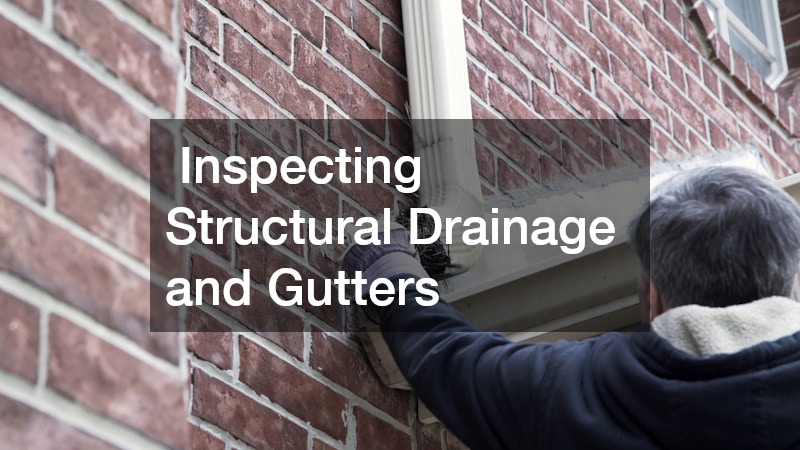
Your roof and gutter system serve as the primary shield directing rainwater away from your home’s foundation. Over the winter, heavy snow, ice dams, and late-falling leaves can fill gutters and loosen mounting brackets. When spring downpours arrive, clogged gutters overflow, pouring thousands of gallons of water directly next to your basement walls and eroding the grading that slopes away from your property.
If water pools continuously around your foundation despite clear gutters, your landscape grading may have settled over the winter. Soil should slope away from the house at a drop of six inches over the first ten feet. If you find that subterranean drains or underground conductor pipes are clogged with packed mud or leaves, a professional water heater service technician may not be the answer, but the same versatile plumbing contractors who handle your indoor pipes can often use mechanical snakes to clear out your yard drains and restore proper site drainage.
8. Evaluating Major Appliance Connections
Modern households rely heavily on water-dependent appliances like washing machines, dishwashers, and ice makers. The flexible hoses connecting these appliances to your main water lines are under constant pressure and are susceptible to aging, cracking, and sudden failure. A ruptured washing machine hose can discharge hundreds of gallons of water per hour, causing catastrophic damage to floors, drywall, and personal belongings within a short timeframe.
Check your dishwasher’s supply and drain lines by removing the bottom kickplate. Look for slow drips around the solenoid valve and ensure the drain hose forms a high loop beneath the kitchen counter to prevent dirty sink water from siphoning back into the appliance. If you notice leaks under these large appliances or require assistance installing heavy duty water lines, reaching out to a qualified sump pump repairman isn’t the right path, but securing an inspection from a trusted plumbing service will ensure all appliance connections are safe and watertight.
9. Upgrading to Smart Water Protection
As technology evolves, homeowners have access to advanced tools designed to mitigate water damage through automation. Smart leak detectors and automatic water shut-off valves represent the cutting edge of residential property protection. These devices monitor water flow through your main line or detect moisture on the floor, sending instant alerts to your smartphone and shutting off the main water valve automatically if a leak is detected.
For ultimate protection, a whole-house smart valve can be installed directly on your main incoming water line. These units use ultrasonic sensors to learn your home’s normal water usage patterns; if they detect an unusual, continuous flow indicative of a burst pipe, they close the main valve instantly. Incorporating these technologies into your home requires precision work, and scheduling a professional drain cleaning or hiring a specialist for smart installations ensures your home is fully protected. Relying on comprehensive plumbing services keeps your property aligned with modern safety standards.
10. Scheduling Professional Seasonal Inspections
While many aspects of a spring plumbing and climate audit can be performed by an observant homeowner, certain diagnostic tasks require specialized equipment and training. Professional technicians have access to tools like thermal imaging cameras, acoustic leak detectors, and high-resolution sewer scopes that can see through walls and underground, identifying hidden weaknesses before they manifest as active failures.
A comprehensive professional spring inspection includes testing the water pressure throughout your home. High municipal water pressure can stress your pipe joints, damage appliances, and cause water hammer. If your pressure exceeds eighty pounds per square inch, a professional can install or adjust a pressure-reducing valve to keep your system within safe operating limits. Technicians will also check backflow preventer valves to ensure irrigation water cannot contaminate your home’s clean drinking supply.
When selecting a company to manage your home’s seasonal transitions, look for businesses that offer holistic maintenance plans covering both plumbing and climate control. Working with an established HVAC company ensures your cooling systems are optimized for energy efficiency before summer heatwaves arrive. Furthermore, forming a long term relationship with vetted local plumbing contractors guarantees that if an emergency ever arises, you have priority access to licensed professionals who already know the specific layout and history of your home’s infrastructure.
Ultimately, proactive maintenance transforms how you manage your property, shifting your approach from reactive crisis management to strategic preservation. Instead of waiting for a pipe to burst or a basement to flood during a heavy rainstorm, you can rest easy knowing that your infrastructure has been fully audited, cleared, and reinforced. Use this changing season as an opportunity to master your home’s health, ensuring it remains a safe and secure haven for the entire year ahead.