
Homeownership is as much an investment strategy as it is a pursuit of personal comfort. When it comes to modifying your living space, the choices you make can either quietly erode your capital or substantially compound your property’s equity. Superficial cosmetics might look appealing in photography, but long-term value is born at the intersection of structural integrity, premium materials, and highly functional layout design.
To achieve a true high-value interior transformation, a homeowner must look past passing design trends and focus on high-ROI zones. By systematically upgrading the kitchen, optimizing the bathrooms, unifying the flooring, and reinforcing the core mechanical infrastructure, you turn a standard residential property into an elite, highly marketable asset.
Design a Frictionless Layout for Daily Cooking
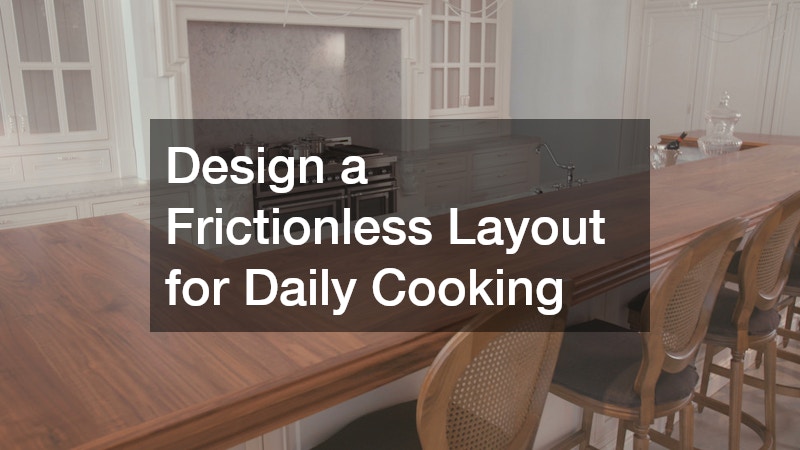
The contemporary kitchen is not just for meal preparation; it serves as the social and logistical center of the modern household. Prioritize optimizing spatial flow for a high-value transformation. The traditional “work triangle”—refrigerator, sink, and stove—is a solid foundation, enhanced by distinct work zones allowing multiple people to navigate without friction.
Before starting any renovation, establish a comprehensive kitchen renovation plan considering architectural limitations. A well-conceived blueprint avoids costly changes and maximizes available space.
To build an incredibly efficient and intuitive kitchen layout, consider implementing these specific spatial strategies:
- Dedicate a distinct baking and prep zone featuring at least four to five feet of uninterrupted countertop space near your primary water source.
- Position the dishwasher immediately adjacent to the main cleanup sink and within arm’s reach of your primary dish storage to streamline post-meal cleanups.
- Establish a dedicated beverage or coffee station outside the main cooking traffic lane so guests and family members can grab drinks without interrupting the chef.
Choose Low-Maintenance, High-Impact Surfaces
The surfaces you select dictate both the visual prestige and daily durability of your kitchen. High-value renovations demand materials that can withstand heat, sharp knives, and spills without requiring constant maintenance. While natural marble is beautiful, its tendency to etch and stain can affect resale value. Engineered quartz and premium quartzites dominate the luxury market due to their non-porous nature and scratch resistance.
Achieving a flawless look with these materials requires expertise. It is vital to partner with experienced countertop contractors who have the precision machinery needed for clean edges, invisible seams, and perfect sink cutouts. Stone transitions around corners and integration with a backsplash distinguish a standard remodel from a high-end architectural masterpiece.
When selecting and detailing your new surfaces, keep these actionable tips in mind:
- Opt for a 3cm thickness for stone countertops to achieve a classic, substantial luxury aesthetic without needing artificial build-ups.
- Choose a polished finish for maximum stain resistance, or a honed finish if you prefer a softer, matte look that hides fingerprints and smudges.
- Extend your countertop material vertically up the wall as a full-slab backsplash to eliminate grout lines and create a clean, contemporary appearance.
Optimize Existing Storage Over Full Replacement
Cabinetry is a significant financial investment in any remodel. If your current cabinet boxes are high-quality, solid plywood with a functional layout, fully replacing them can be costly. Instead, focus on structural modifications and cosmetic upgrades to allocate budget to other impactful areas.
For an aesthetic or functional update, a professional cabinet service can revitalize your space. They can re-face existing boxes with solid wood doors, convert lower cabinets to pull-out drawers, and apply durable, factory-grade finishes.
To extract the maximum amount of utility and value out of your kitchen cabinetry, implement these upgrades:
- Install soft-close hinges and drawer glides rated for at least 100 pounds to instantly give the kitchen a quiet, premium, high-end feel.
- Integrate specialized interior organizers, such as pull-out spice racks, hidden trash recycles, and blind-corner pull-out shelving systems.
- Extend upper cabinetry all the way to the ceiling line, finishing the tops with custom crown molding to eliminate dust traps and maximize vertical storage.
Master the Wet Area with Smart Waterproofing
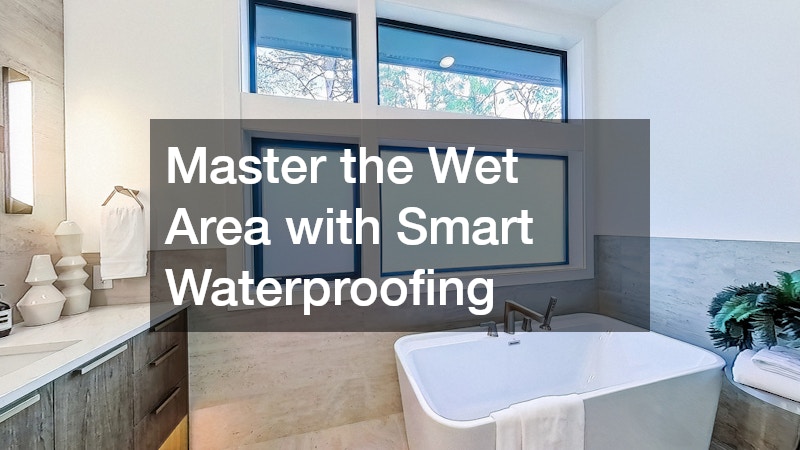
Bathrooms are high-stakes environments for renovations due to potential hidden water damage. In a high-value bath remodeling project, focus on the area behind the walls before choosing decorative fixtures. High-end buyers prefer walk-in showers and wet-room layouts, which require precise waterproofing to avoid rot and mold.
A premium bathroom upgrade should use advanced liquid membranes or sheet waterproofing systems over cementitious backer boards. Avoid traditional drywall, as even moisture-resistant greenboard is unsuitable for modern shower enclosures. A linear drain system allows for a single-direction floor slope, enabling large-format tile layouts and barrier-free, curbless entries, enhancing modern aesthetics and accessibility.
To ensure your bathroom oasis is built to last, focus on these critical infrastructure steps:
- Require a mandatory 24-hour flood test on the freshly installed shower pan to guarantee absolute water tightness before any tile is laid down.
- Integrate a recessed shampoo niche with a slight downward slope on the bottom ledge to ensure water drains completely out of the cavity.
- Specify solid stone or quartz thresholds for the shower curb and niche ledges rather than tiled pieces to eliminate vulnerable, leak-prone grout lines.
Maximize Light and Visual Space in Small Footprints
Many residential bathrooms lack natural light and are cramped. To command premium value, a bathroom should feel expansive, bright, and clean. An effective architectural solution is eliminating heavy, opaque visual barriers. Replacing a traditional shower curtain or a thick, framed sliding door with a frameless glass system unifies the room, allowing the eye to travel to the back wall of the shower.
Investing in custom shower glass is a reliable way to elevate a bathroom’s perceived market value. Using three-eighths to one-half-inch thick tempered glass panels with minimal clips creates a boutique-hotel aesthetic. This approach allows your premium tile work to stand out while maximizing ambient light distribution.
To maximize the visual impact and longevity of your shower glass installation, use these design strategies:
- Insist on a factory-applied permanent hydrophobic coating on the glass panels to repel water spots, soap scum, and mineral deposits over time.
- Match the finish of your glass clips, handles, and hinges exactly to your shower valves and sink faucets to maintain design cohesion.
- Design the glass door to swing both inward and outward to maximize safety and accessibility within tight bathroom configurations.
Select Resilient Materials for Moisture-Prone Zones
Flooring is the foundation of your interior design. It endures friction, impact, and exposure, so choosing the wrong material can lead to wear and depreciation. In moisture-prone areas like entryways, mudrooms, kitchens, and bathrooms, it’s important to choose impervious, high-density materials.
A premium through-body porcelain floor tile is ideal for high-traffic, wet environments. Porcelain is denser than standard ceramic, making it resistant to chipping, cracking, and water absorption. Large-format tiles reduce grout lines, creating a clean, expansive look and minimizing vulnerable surfaces.
To achieve a pristine, high-performing tile floor, follow these essential material and layout guidelines:
- Verify that your selected material possesses a Porcelain Enamel Institute rating of 4 or 5, ensuring it is rated for heavy residential foot traffic.
- Specify a slip-resistance rating suitable for wet areas, opting for textured or matte finishes rather than high-gloss polished surfaces on floors.
- Utilize high-performance, stain-resistant epoxy or urethane grouts instead of standard cementitious grout to eliminate the need for annual sealing.
Establish Visual Continuity Across the Entire Floor Plan
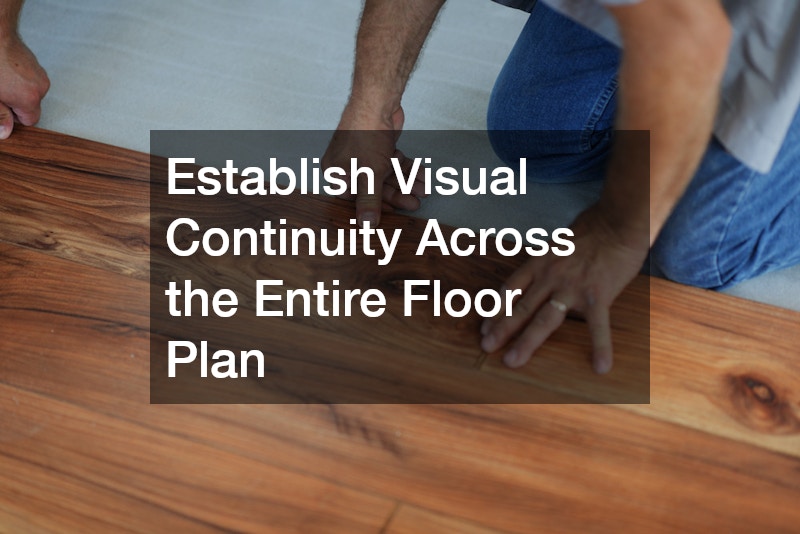
A common mistake in older homes is disjointed flooring transitions, such as moving from carpet to laminate, then to hardwood, and back to tile within a small area. This layout visually shrinks the house and feels disorganized. Modern renovations prioritize spatial continuity, using a singular, high-quality flooring material throughout the primary living spaces for an expansive, harmonious flow.
Achieving a flat, creak-free floor over a large area requires flawless execution during flooring installations. Subfloor preparation is critical; any dips, crowns, or imperfections in the plywood will show as hollow spots, bounces, or structural failures in the finished material. Spending extra time to level the subfloor pays dividends in the feel and longevity of the home.
To establish a premium, cohesive flooring foundation across your entire home layout, execute these strategies:
- Select wide-plank engineered hardwood or ultra-high-density luxury vinyl plank with a wear layer of at least 20 mils for the ultimate balance of beauty and durability.
- Eliminate raised transition strips between rooms by ensuring all subfloors are perfectly shimmed and leveled to match varying material thicknesses.
- Allow natural wood products to acclimate to the home’s interior humidity levels for at least 72 hours on-site prior to starting the installation.
Future-Proof Your Power Grid and Smart Features
The infrastructure of a home dictates its safety, efficiency, and compatibility with modern technology. While a new electrical panel isn’t as visually appealing as a kitchen island, home buyers and inspectors prioritize mechanical health. Older homes often have outdated electrical systems that can’t handle modern induction cooktops, electric vehicle chargers, and climate control systems.
Upgrading your electrical service to a modern 200-amp or 400-amp system is crucial for any renovation. Partner with licensed electricians and electrical contractors to obtain necessary permits and ensure all circuits comply with the latest codes. This upgrade protects your electronics and prevents dangerous overloads.
To future-proof your home’s electrical network during a renovation, integrate these high-value components:
- Install a dedicated subpanel near the garage or exterior driveway specifically zoned to accommodate rapid electric vehicle charging stations.
- Replace standard outlets in high-use zones with smart receptacles featuring integrated high-speed USB-C charging ports.
- Implement smart arc-fault and ground-fault circuit interrupters in all kitchen, bathroom, and outdoor zones to maximize residential safety.
Master Climate Zoning for Year-Round Efficiency
True residential luxury is defined by consistent comfort. An inefficient heating and cooling system that creates dramatic temperature swings will detract from enjoying a beautifully renovated home. When walls are opened during a remodel, it’s a perfect opportunity to assess, balance, and optimize your home’s thermal dynamics and indoor air quality.
Upgrading to a high-efficiency variable-speed system or ductless mini-split zones allows for precise temperature regulation. Collaborating with an expert air conditioning contractor ensures your equipment is sized for the unique square footage, insulation values, and window exposures of your updated floor plan. A balanced system runs quieter, eliminates hot spots, and reduces utility expenditures.
To optimize your interior climate control and maximize energy efficiency, implement these mechanical upgrades:
- Integrate smart, programmable thermostats that analyze your daily routine and adjust thermal output to conserve energy when the home is unoccupied.
- Replace leaky, uninsulated flex ductwork with rigid, sealed sheet metal ducts to maximize airflow velocity and minimize thermal loss.
- Incorporating an energy recovery ventilator into your HVAC system introduces a constant stream of filtered, fresh outdoor air while exhausting stale indoor air.
Relocate Plumbing Lines Safely for Modern Open Layouts

Achieving popular open-concept layouts in modern homes often requires moving walls, which involves dealing with hidden plumbing. Moving a kitchen sink or relocating a toilet for optimal layout needs precise hydraulic planning. Water supply lines are easy to route, but waste drains and vent stacks must follow gravity slopes and venting principles to work properly.
Amateur plumbing changes can cause slow drains, sewer gas leaks, and water damage. Certified plumbing services are essential for modifying a building’s wet infrastructure. Professional plumbers ensure all new waste lines maintain the required quarter-inch per foot downward slope and properly tie vent loops into the main stack to prevent pressure traps.
To safeguard your home and optimize your plumbing network during structural alterations, execute these tactics:
- Replace an aging, space-consuming tank water heater with a highly efficient, wall-mounted tankless unit to unlock continuous hot water and free up valuable square footage.
- Install high-quality automatic water shutoff valves equipped with smart moisture sensors beneath sinks, dishwashers, and washing machines to prevent flooding.
- Replace any remaining cast iron or galvanized drain lines with modern schedule 40 PVC piping while the walls are open to eliminate future corrosion risks.
Executing a high-value interior renovation requires balancing aesthetic desires with disciplined structural investments. True equity is created when you look beneath the surface, prioritizing the craftsmanship of your layouts, the resilience of your materials, and the integrity of your mechanical systems. By focusing your resources on sophisticated kitchen configurations, bulletproof bathroom waterproofing, continuous flooring, and modernized utilities, you build an environment that minimizes daily stress while establishing a formidable market position for the future. Treat every renovation decision as a long-term investment, build with uncompromised quality, and your home will reward you with unparalleled comfort and outstanding financial returns for decades to come.