A home is one of the biggest investments most people will ever make, and protecting that investment requires more than occasional cleaning or cosmetic updates. The systems hidden behind walls, beneath floors, and throughout the structure play a major role in keeping a home safe, comfortable, and functional every day. Water, heating, cooling, and drainage systems work together continuously, often without homeowners giving them much thought until something goes wrong. Unfortunately, waiting until a problem becomes obvious can lead to expensive repairs, property damage, and unnecessary stress.
Working with qualified professionals and scheduling regular inspections allows homeowners to identify potential issues before they become emergencies. Routine evaluations can reveal worn components, aging equipment, or hidden damage that may not be visible during everyday use. By making timely repairs and maintaining essential systems, homeowners can improve reliability, enhance comfort, and avoid many of the costly surprises that often accompany neglected maintenance. Taking a proactive approach today can help preserve the safety, efficiency, and long-term value of a home for years to come.
Why Prompt Repairs Matter for Your Home’s Safety
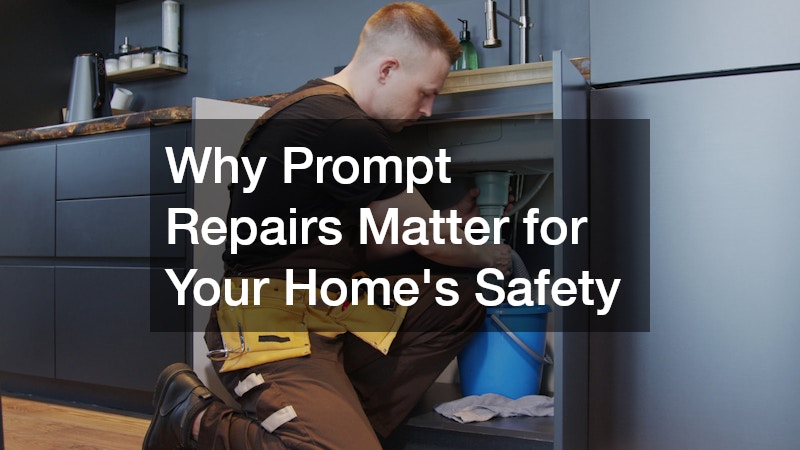
Many household problems begin with subtle warning signs that are easy to overlook. A dripping pipe, an unusual odor, or inconsistent water pressure may not seem urgent at first, but these issues can gradually develop into much larger concerns. Delaying repairs often allows damage to spread beyond the original problem, increasing both repair costs and the amount of work required to restore the affected area.
Experienced plumbing companies understand how quickly small plumbing concerns can escalate. What starts as a minor leak may eventually damage drywall, flooring, insulation, or even the structural framing of a home. Excess moisture also creates favorable conditions for mold and mildew, which can affect indoor air quality and require extensive remediation if left untreated.
Prompt repairs also reduce the risk of unexpected emergencies. Burst pipes, overflowing fixtures, and equipment failures often occur after smaller issues have been ignored for too long. Addressing problems as soon as they are discovered helps minimize disruptions while protecting valuable belongings from unnecessary water damage.
In addition to protecting the home itself, timely repairs help improve overall household safety. Faulty mechanical systems, damaged water lines, or neglected equipment can create hazards that affect everyone living in the home. Taking action early helps maintain reliable operation while preventing avoidable accidents and expensive emergency service calls.
Common Warning Signs You Should Never Ignore
Every home provides clues when something is beginning to fail. Paying attention to these early warning signs allows homeowners to schedule service before a minor issue develops into a major repair. While some symptoms may appear insignificant, they often indicate underlying problems that require professional attention.
Persistent dripping faucets, slow drains, fluctuating water pressure, discolored water, or unexplained increases in water bills should never be ignored. These signs may indicate leaks, pipe deterioration, mineral buildup, or hidden damage within the plumbing system. Likewise, damp spots on walls or ceilings often point to concealed leaks that can worsen over time.
Qualified plumbers are trained to diagnose these problems accurately and recommend appropriate solutions before additional damage occurs. Professional inspections can identify issues that homeowners may not be able to see, including hidden leaks behind walls or beneath flooring.
Heating and cooling systems also display warning signs before complete failure occurs. Strange noises, uneven temperatures, weak airflow, unpleasant odors, or unusually high utility bills often suggest worn components or declining system performance. Ignoring these symptoms may shorten equipment lifespan while increasing operating costs.
By recognizing these warning signs and responding quickly, homeowners can often avoid emergency situations and preserve the long-term performance of their home’s essential systems.
Choosing the Right Professional for the Job
Not every repair requires the same level of expertise, making it important to choose professionals with the appropriate experience and qualifications. Hiring the right service provider helps ensure repairs are completed correctly while reducing the likelihood of recurring problems.
A reputable local plumbing contractor understands regional building codes, permitting requirements, and common plumbing issues affecting homes in the area. Local experience also allows contractors to recommend solutions that account for climate conditions, water quality, and the age of nearby infrastructure.
Homeowners should look for licensed and insured professionals with positive customer reviews, transparent pricing, and clear communication throughout the repair process. Reliable contractors take the time to explain the issue, outline available repair options, and answer questions before work begins.
It is also beneficial to establish a relationship with a trusted contractor before an emergency arises. Knowing who to call when unexpected problems occur can significantly reduce stress during urgent situations. Many contractors also offer maintenance programs that include inspections and preventive services designed to identify developing issues before they require major repairs.
Choosing qualified professionals ultimately provides greater confidence that repairs will support the long-term safety, efficiency, and reliability of the home’s essential systems.
Addressing Small Issues Before They Become Major Problems
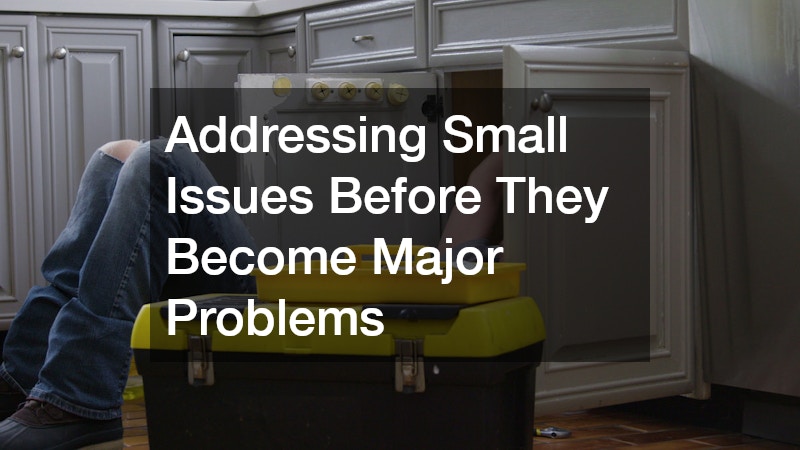
Minor household problems often appear manageable enough to postpone, especially when they do not immediately interfere with daily routines. However, many repair issues become progressively worse over time, increasing both repair complexity and overall cost.
Scheduling plumbing repair at the first sign of trouble helps prevent leaks from spreading into surrounding building materials. Even a small leak can slowly damage cabinets, flooring, drywall, insulation, and structural supports if moisture remains undetected for extended periods. Water damage frequently requires repairs beyond the original plumbing issue, making early intervention far more cost-effective.
Small repairs also help preserve the overall efficiency of plumbing systems. Worn valves, loose fittings, aging seals, and partially clogged pipes may reduce water flow while placing additional stress on connected fixtures and appliances. Replacing these components before they fail completely often extends the lifespan of the entire system.
Preventive repairs also reduce the likelihood of unexpected emergencies that disrupt everyday life. Homeowners who address problems promptly are less likely to experience burst pipes, significant leaks, or major property damage that requires immediate restoration services.
Routine inspections combined with timely repairs provide peace of mind while helping homeowners avoid many of the expensive consequences associated with neglected maintenance.
Protecting Your Property From Hidden Water Damage
Water damage is not always immediately visible. In many cases, leaks develop behind walls, beneath foundations, inside ceilings, or underground where they remain unnoticed for weeks or even months. During that time, moisture can weaken structural materials, damage insulation, promote mold growth, and create costly restoration projects.
One of the most serious hidden issues involves underground piping. When problems develop below the surface, sewer line repair may become necessary to restore proper drainage and prevent wastewater from backing up into the home. Tree root intrusion, shifting soil, pipe corrosion, and aging infrastructure are all common causes of sewer line damage.
Warning signs may include multiple slow drains, foul odors, soggy areas in the yard, recurring backups, or unusual sounds coming from drains. While these symptoms may initially seem unrelated, they often point to larger drainage issues that require professional diagnosis.
Modern inspection technology allows contractors to locate many underground problems without unnecessary excavation. Video camera inspections provide accurate information about pipe conditions, allowing technicians to recommend the most appropriate repair method while minimizing disruption to the surrounding property.
Addressing hidden water problems quickly protects both the home’s structure and the health of those living inside. Preventing long-term moisture exposure helps preserve building materials while reducing the risk of mold growth and extensive structural deterioration.
Keeping Your Heating and Cooling Equipment in Top Condition
Heating and cooling equipment operates throughout the year to maintain a comfortable indoor environment, making it one of the hardest-working systems in any home. Because these systems experience regular wear and tear, they benefit from consistent care and prompt attention whenever performance begins to decline. Ignoring minor concerns can lead to reduced efficiency, higher utility costs, and unexpected breakdowns during periods of extreme weather.
A qualified HVAC contractor can inspect the entire system to identify worn or damaged components before they lead to more extensive problems. During an inspection, the contractor may examine electrical connections, refrigerant levels, air filters, ductwork, thermostats, blower motors, and other critical parts that affect overall performance. Catching issues early often reduces repair costs while extending the lifespan of the equipment.
Homeowners should also pay attention to changes in system performance. Uneven temperatures between rooms, weak airflow, unusual noises, unpleasant odors, or frequent cycling may indicate that the system requires professional attention. These warning signs often develop gradually, making them easy to dismiss until they become much more serious.
Regular filter changes are another simple yet important maintenance task. Dirty filters restrict airflow, forcing the system to work harder to heat or cool the home. This added strain can shorten equipment life while increasing monthly energy expenses. Keeping vents unobstructed and scheduling periodic professional inspections also helps maintain proper airflow and efficient operation.
Maintaining heating and cooling equipment not only improves comfort but also contributes to better indoor air quality and more reliable operation throughout every season.
Preventing Heating Problems During Cold Weather
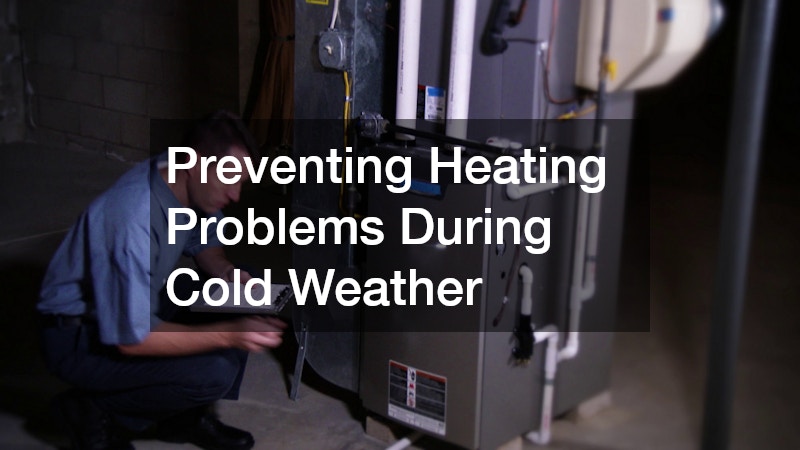
Cold weather places additional demands on heating systems, making preparation especially important before winter temperatures arrive. A furnace that has not been inspected or serviced may struggle to operate efficiently after sitting idle for several months, increasing the likelihood of inconvenient breakdowns when dependable heat is needed most.
Scheduling the best furnace repair service at the first sign of trouble helps prevent small issues from becoming complete system failures. Strange noises, delayed ignition, uneven heating, rising energy bills, or frequent cycling are all signs that a furnace should be evaluated by a qualified professional. Addressing these concerns early often prevents more extensive damage to internal components.
Routine maintenance also improves safety. Furnaces rely on multiple mechanical and electrical components working together properly to produce heat. Professional inspections help identify worn parts, airflow restrictions, or other conditions that could affect reliable performance during extended periods of operation.
Homeowners can also support furnace performance through regular maintenance between professional visits. Replacing air filters as recommended, keeping vents clear of furniture, and ensuring that the thermostat functions properly all contribute to efficient operation. It is equally important to keep the area around the furnace clean and free of stored items that could interfere with ventilation or service access.
Preparing a heating system before winter arrives helps homeowners enjoy consistent comfort while reducing the risk of emergency repairs during the coldest months of the year.
The Value of Routine Maintenance Throughout the Year
Many homeowners wait until equipment stops working before calling for professional assistance, but preventive maintenance offers significant long-term advantages. Scheduling regular HVAC Service allows technicians to identify developing issues before they lead to costly repairs or complete equipment failure.
Seasonal maintenance appointments typically include inspecting electrical components, cleaning system parts, checking refrigerant levels when applicable, testing system controls, lubricating moving components, and verifying proper airflow throughout the home. These services help maintain efficient operation while reducing unnecessary wear on the equipment.
Routine maintenance also contributes to lower energy consumption. Systems operating with clean components and properly adjusted settings generally require less energy to achieve the desired indoor temperature. Improved efficiency often results in lower monthly utility bills while reducing strain on major system components.
Another important benefit is improved reliability. Heating and cooling systems that receive regular maintenance are less likely to experience unexpected breakdowns during periods of peak demand. This allows homeowners to enjoy greater peace of mind knowing their equipment has been inspected before seasonal temperature extremes arrive.
In many cases, consistent maintenance also extends equipment lifespan. Replacing worn components before they fail helps protect larger mechanical systems from unnecessary damage, allowing homeowners to postpone costly replacements while maximizing the value of their investment.
Improving Comfort, Efficiency, and Reliability
Comfort inside the home depends on more than simply producing warm or cool air. Heating and cooling systems must distribute conditioned air evenly while operating efficiently and reliably throughout changing weather conditions. When equipment begins to lose performance, homeowners often notice inconsistent temperatures, excessive humidity, or increasing utility costs.
Professional HVAC system repair addresses these issues by restoring proper system function and correcting problems before they affect additional components. Repairs may involve replacing worn motors, repairing electrical connections, correcting airflow restrictions, sealing duct leaks, or addressing thermostat malfunctions that interfere with consistent temperature control.
Restoring proper system operation improves overall comfort while reducing unnecessary energy consumption. Equipment that functions efficiently requires less effort to maintain indoor temperatures, helping homeowners lower operating costs without sacrificing comfort.
Indoor air quality may also improve following professional repairs. Proper airflow supports more effective filtration while helping regulate indoor humidity levels. Balanced humidity reduces the likelihood of condensation, mold growth, and other moisture-related concerns that can affect both the home and its occupants.
Reliable heating and cooling equipment also provides greater convenience throughout the year. Homeowners can enjoy dependable comfort during periods of extreme heat or cold without worrying about unexpected equipment failures interrupting daily life.
Creating a Long-Term Plan for Home Protection
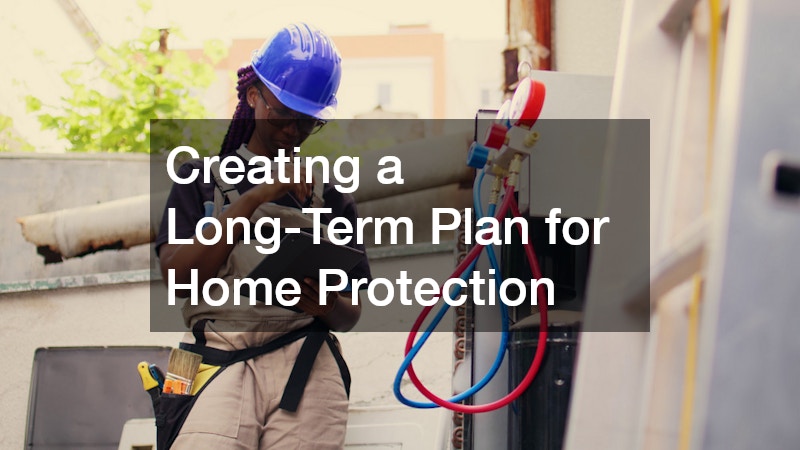
Protecting a home requires more than responding to problems as they arise. A long-term maintenance strategy helps homeowners stay ahead of potential issues while preserving the value, safety, and efficiency of essential household systems. Planning routine inspections and timely repairs creates a proactive approach that reduces the likelihood of expensive emergencies.
Including HVAC repair as part of an ongoing home maintenance plan helps keep heating and cooling equipment operating at peak performance. Rather than waiting for complete system failure, homeowners can address worn components as they age, helping prevent larger mechanical problems and extending equipment life.
A comprehensive maintenance schedule should also include plumbing inspections, water heater evaluations, drain cleaning when necessary, and seasonal heating and cooling system checkups. Keeping detailed records of previous repairs and maintenance visits allows homeowners to monitor equipment performance over time and anticipate future service needs.
Protecting a home involves much more than maintaining its appearance. The systems that deliver water, remove waste, and provide dependable heating and cooling are essential to the safety, comfort, and long-term value of the property. Giving these systems the attention they need through regular inspections, preventive maintenance, and timely repairs helps reduce the likelihood of costly emergencies while extending the lifespan of important equipment.
Ultimately, taking a long-term approach to home maintenance benefits both the property and the people who live there. Investing in regular care today can help prevent major repairs tomorrow, allowing homeowners to enjoy greater comfort, improved reliability, and confidence that their home’s essential systems will continue performing when they are needed most.