Maintaining a secure and weather-tight roof is one of the most fundamental aspects of preserving a home’s structural integrity, safety, and long-term market value. As the primary barrier against heavy rainfall, severe winds, snow accumulation, and intense ultraviolet radiation, your roof absorbs continuous environmental stress throughout the year. When minor shingle degradation, flashing cracks, or subtle drainage issues are left unaddressed, water can slowly penetrate the underlying structure, leading to rot, ruined insulation, toxic mold growth, and compromised ceiling stability. Proactive maintenance ensures that small vulnerabilities are caught and corrected before escalating into widespread, expensive home repairs.
A comprehensive approach to residential roof management blends routine visual checks with technical evaluations and professional installation practices. While homeowners can monitor gutter lines and check for obvious storm damage from ground level, evaluating structural deck health, flashing integrity, and proper ventilation dynamics requires professional technical expertise. Taking the time to understand your roof’s condition, selecting appropriate building materials, and partnering with verified trade specialists ensures that every repair or full system replacement meets strict industry standards and regional building codes.
Investing in high-quality overhead maintenance offers significant financial and practical dividends over the life of your home. A well-maintained roof enhances curb appeal, optimizes indoor energy efficiency by preventing heat loss, and protects the substantial financial equity tied up in your property. By establishing a consistent maintenance routine and working with accredited trade specialists, you can extend the operational lifespan of your roofing system, protect your family’s living environment, and ensure your home remains dry, safe, and resilient through every season.

Evaluating Overhead Vulnerabilities and System Integrity
A durable roofing system relies on seamless integration between visible surface shingles, underlying waterproof membranes, eave drip edges, and wall flashing details. Over time, continuous exposure to thermal cycles causes materials to expand, contract, and gradually lose their protective qualities. Identifying subtle physical wear early prevents rainwater from seeping into wood decking, framing joists, and interior living spaces.
Scheduling detailed residential roof inspections allows certified professionals to examine vulnerable transition zones, assess granule loss on asphalt shingles, and check attic spaces for hidden moisture accumulation or ventilation blockages. Technical inspectors utilize specialized diagnostic tools to track moisture pathways and evaluate structural decking stability without causing surface damage. Their findings provide actionable blueprints for targeted repairs.
Conducting routine diagnostic checks protects your property from hidden structural decay and sudden interior water damage. Catching minor flashing separations or cracked seals early keeps maintenance costs low and prevents localized issues from spreading across larger roof sections. Regular evaluations offer complete clarity regarding your roof’s operational health and remaining lifespan.
Partnering with Qualified Installation Professionals
Executing complex exterior repairs or full system overhauls requires specialized mechanical skills, rigorous safety compliance, and proper equipment. Roof work involves navigating steep slopes, handling heavy building materials, and installing precise flashing around complex penetrations such as chimneys, plumbing vents, and skylights. Incorrect installation techniques can lead to immediate water leaks and void manufacturer material warranties.
Hiring a certified roofer guarantees that all installation tasks adhere strictly to local building codes, regional wind-resistance standards, and manufacturer specifications. Qualified technicians undergo comprehensive training in fall protection safety, correct fastener placement, and advanced waterproofing techniques. Their professional oversight ensures that every shingle layer lies flat and securely fastened.
Working with trained, insured trade specialists provides peace of mind that your home’s primary barrier is built to withstand extreme weather. Experienced crews work efficiently while maintaining clean job sites to protect surrounding landscaping, walkways, and driveways. Expert craftsmanship provides the foundation for a long-lasting, weather-tight barrier.
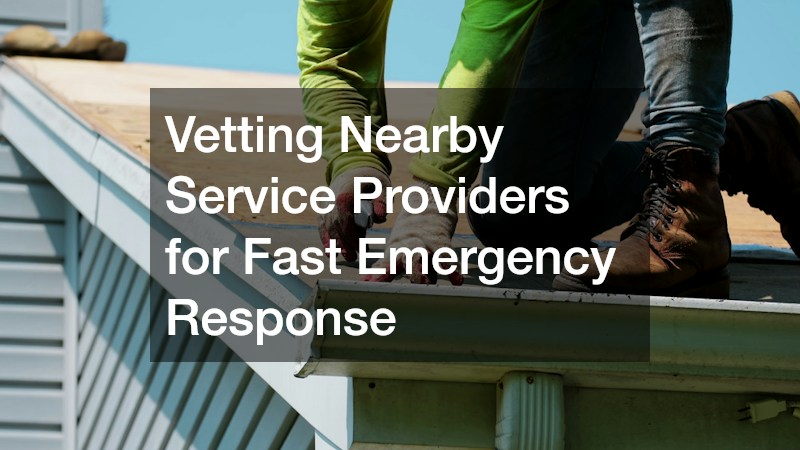
Vetting Nearby Service Providers for Fast Emergency Response
Navigating regional climate demands requires working with service providers who understand local weather patterns, freeze-thaw cycles, and municipal building permit procedures. Exterior barriers installed in regions prone to heavy winter ice dams face vastly different stress factors than those subjected to coastal windstorms or severe desert heat. Choosing service teams with deep regional experience ensures tailored material selection and installation techniques.
Partnering with established local roofing contractors offers distinct advantages, including rapid response times for sudden storm damage and deep familiarity with regional building regulations. Nearby contractors maintain strong working relationships with municipal inspectors and local material distributors, ensuring project approvals and material deliveries proceed smoothly. Their physical presence within the community guarantees accessible, ongoing warranty support.
Working with nearby trade specialists supports the local economy while ensuring your property receives prompt, tailored attention. Regional contractors can perform rapid post-storm checks to verify your roof remains fully functional after severe weather events. Local expertise ensures your exterior barrier is engineered specifically for your regional climate.
Addressing Localized Damage and Weather Impact Promptly
High winds, hail storms, and falling tree branches can cause sudden, localized damage to an otherwise healthy roofing system. Lifted shingles, cracked ridge caps, or damaged valley metal expose underlying wood decking directly to driving rain, creating immediate risks of severe interior ceiling leaks. Addressing minor localized damage immediately prevents water from saturating insulation layers and framing timbers.
Arranging for prompt local roofing repairs restores damaged sections, re-seals loose flashing, and replaces missing shingles before moisture causes secondary structural damage inside your home. Trained technicians perform targeted repairs that integrate seamlessly with your existing roof layout, preserving both visual uniformity and watertight performance. Fast repair work stops active leaks and protects interior drywall and flooring.
Promptly repairing localized damage extends the total operational lifespan of your existing roof and delays the need for a premature, costly replacement. Keeping minor repair issues under control protects your home’s structural framing and prevents mold development inside attic spaces. Proactive localized fixes keep your property secure throughout the year.

Evaluating Service Scope and Proposals Across Professional Enterprises
Executing a major exterior improvement project requires thorough planning, clear communication, and a transparent understanding of project costs, material grades, and labor warranties. Obtaining itemized proposals from multiple established businesses allows homeowners to evaluate material options, construction schedules, and pricing structures objectively before signing contracts.
Comparing detailed proposals from reputable roofing companies helps homeowners identify fair market pricing while evaluating differences in warranty coverage, insurance protection, and material quality. Professional estimates clearly outline costs for old material tear-off, decking replacement, underlayment grade, drip edge installation, and job-site debris disposal. Reviewing these details ensures you select a comprehensive service scope that fits your budget.
Thorough contract evaluation protects homeowners from unexpected expenses and ensures clear accountability throughout the construction process. Vetting established business practices allows you to review safety credentials, professional licensing, and customer reviews. Operational transparency ensures a smooth, stress-free project execution.
Managing Complete System Overhauls for Aging Structures
When an aging roof reaches the end of its engineered service life, continuous spot fixes become inefficient and costly compared to a full system replacement. Complete tear-offs allow installation crews to strip away old, degraded materials, inspect the underlying plywood sheathing, replace rotted wood, and build a completely new, integrated waterproofing system from the deck up.
Scheduling a comprehensive roof replacement service guarantees that old materials are safely removed, structural decking is reinforced, and modern synthetic underlayments and ice-and-water barriers are installed. Full-service crews work according to structured schedules to complete tear-offs and new shingle installations efficiently, minimizing disruption to your daily routine while keeping your home protected during construction.
Investing in a complete system replacement eliminates chronic leak issues, enhances home energy efficiency, and dramatically improves overall curb appeal. Modern reflective materials reduce heat transfer into attic spaces during summer months, lowering cooling costs. A new roof delivers decades of reliable overhead protection and boosts property value.
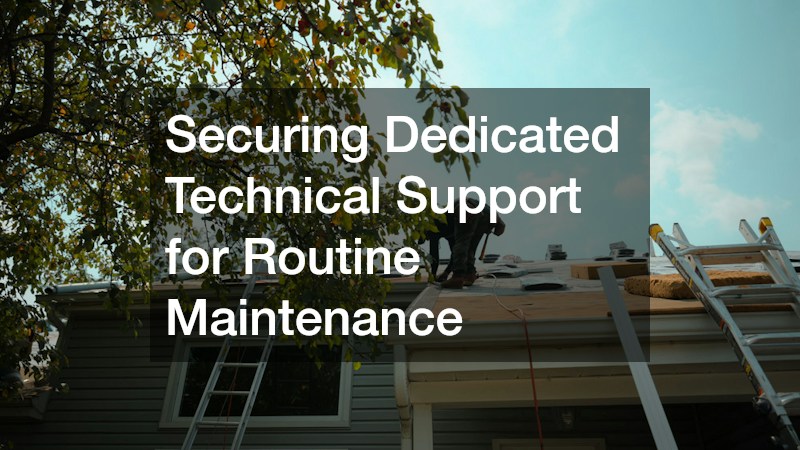
Securing Dedicated Technical Support for Routine Maintenance
While large crew deployments handle complete overhauls, smaller maintenance tasks—such as re-caulking pipe boots, securing loose flashing along gables, or replacing a few wind-damaged shingles—benefit from personalized technical service. Having a dedicated professional on call for quick routine maintenance visits prevents minor wear from expanding into structural emergencies.
Establishing a direct working relationship with a trusted local roofer ensures prompt, personalized attention whenever minor maintenance needs arise. A dedicated technician becomes familiar with your home’s specific roof architecture, past repair history, and material condition. This ongoing familiarity allows for efficient, accurate troubleshooting whenever minor issues occur.
Having direct access to dedicated technical support simplifies routine property upkeep and provides fast assistance following major weather events. Prompt attention to minor maintenance items protects your financial investment and extends the useful life of your shingles. Personalized service keeps your overhead barrier secure through every season.
Navigating Community Guidelines and Association Compliance
Homeowners residing within planned communities, condominium developments, or neighborhoods governed by homeowners associations (HOAs) must adhere to strict architectural guidelines when modifying exterior home features. Community bylaws frequently specify approved shingle colors, material types, architectural styles, and acceptable construction hours to maintain visual consistency across the neighborhood.
Partnering with experienced HOA roofing contractors ensures that proposed project plans, material samples, and color selections comply fully with community architectural standards before work begins. Specialized contractors assist in submitting accurate documentation to HOA review boards, preventing project delays, administrative rejections, or costly fines. Their familiarity with association workflows ensures full compliance.
Working with compliance-focused contractors guarantees that construction proceeds smoothly without violating community rules. Professional crews respect neighborhood parking restrictions, noise ordinances, and cleanup protocols, maintaining positive relationships with neighbors and community boards. Expert navigation of HOA guidelines ensures a hassle-free renovation.
Selecting Premium Components and Waterproofing Materials
The long-term durability of an exterior barrier depends heavily on the quality of individual building components used throughout the installation. A complete, high-performance roofing system relies on synthetic underlayments, starter strips, ice-and-water shields, drip edges, ridge vents, and specialized corrosion-resistant fasteners working together to repel water and manage ventilation.
Selecting high-grade roofing supplies ensures that your new installation withstands severe environmental stress, intense UV exposure, and heavy wind uplift without cracking, peeling, or lifting. Premium synthetic underlayments offer superior tear resistance and water barrier protection compared to standard felt paper, while high-capacity ridge vents ensure optimal attic airflow to prevent heat and moisture buildup.
Understanding available component options empowers you to make informed decisions regarding durability, warranty levels, and long-term performance. Investing in high-quality materials ensures your roof assembly carries extended manufacturer warranties that protect your financial investment for decades. Superior components deliver lasting weather resistance.
Sustaining Structural Value Through Preventative Care
Sustaining peak roofing performance over its multi-decade lifespan requires establishing a structured, ongoing preventative care routine. Environmental debris such as leaves, pine needles, twigs, and moss can collect in roof valleys and gutter systems, holding moisture against shingle surfaces and causing premature material degradation. Regular cleaning removes organic matter and keeps drainage pathways clear.
Executing timely roof repairs and routine seasonal maintenance removes damaging debris, cleans gutters, re-seals flashing bonds, and verifies that eave lines remain clear. Proactive care prevents water backup under shingles and stops minor sealant separations before heavy rains cause interior ceiling damage. Consistent preventative maintenance maximizes the operational lifespan of your entire roofing assembly.
Systematic care protects your manufacturer warranty standing, as many material suppliers require proof of regular maintenance to honor long-term warranty claims. Keeping detailed records of all inspections and repair work documents your home’s care history and enhances buyer confidence when selling your property. Proactive maintenance preserves property value and ensures long-term structural security.
Sustaining a secure, watertight home requires weaving proactive maintenance and regular structural evaluations into your long-term property care routine. Taking a disciplined, seasonal approach ensures potential vulnerabilities are identified and addressed long before severe weather causes costly interior water damage or structural decay. In early spring, clear winter debris from gutters and downspouts so melting snow and spring rain drain freely away from your foundation. During mid-summer, inspect your attic space to confirm that soffit and ridge vents remain unobstructed, preventing excess heat and humidity build-up. In autumn, clear fallen leaves from roof valleys and trim back overhanging tree branches to protect shingle granules from storm damage. Finally, during late winter, monitor eave lines for ice dams and safely manage heavy snow loads to prevent structural strain.
Ultimately, protecting your property’s primary overhead barrier relies on combining smart seasonal habits with qualified professional technical care. Partnering with certified contractors for routine inspections, timely repairs, and complete material replacements guarantees that every phase of your roof’s lifecycle adheres to strict building codes and manufacturer standards. Taking proactive ownership of your roof safeguards your financial investment, preserves home energy efficiency, and keeps your living space dry, comfortable, and structurally resilient through every season.