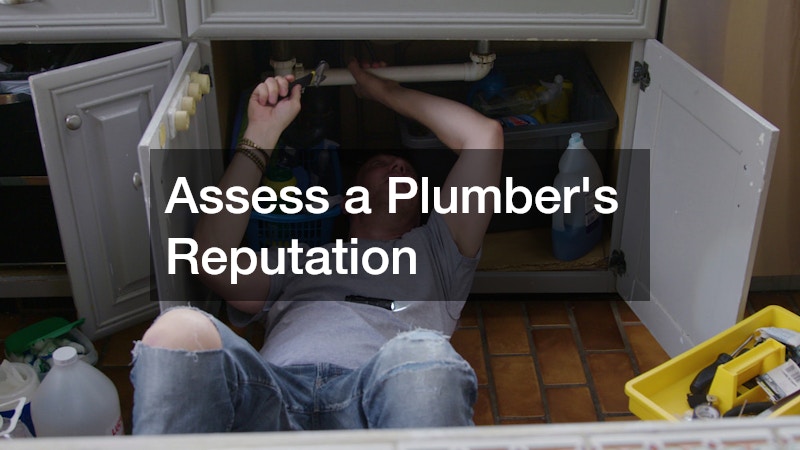
Understanding the importance of selecting the right plumbing professional is crucial for ensuring that your household or business plumbing needs are effectively and efficiently met. A competent plumber not only addresses immediate issues but also contributes to the long-term well-being of your plumbing system. With the plethora of options available, picking the wrong plumber can lead to further issues, escalated expenses, and dissatisfaction. Thus, it’s imperative to consider several factors when making your choice. From qualifications and reputation to services offered, pricing, quality, and reliability, each aspect plays a significant role in ensuring that your plumbing problems are resolved satisfactorily.
1. What Qualifications Should a Plumber Have?
When choosing a plumber, one of the first points to consider is their professional qualifications. A qualified plumber typically holds necessary certifications and licenses that are mandated by state or local regulations, which vouch for their ability to handle specific plumbing tasks. Such certifications ensure that the plumber has undergone the necessary training and possesses the knowledge required to carry out repairs, installations, and maintenance effectively. It’s also beneficial if the plumber has affiliations with professional bodies or organizations such as the Plumbing-Heating-Cooling Contractors Association, which indicates a commitment to staying updated with industry standards and developments. In addition to these credentials, experienced plumbers usually have a significant portfolio of past work, showcasing their capability to handle diverse plumbing challenges.
Beyond formal qualifications, practical experience is another essential factor to consider when hiring a plumber. An experienced plumber is often better equipped to handle complex issues due to their exposure to various kinds of plumbing situations over the years. They are more likely to identify the root cause of plumbing problems and resolve them efficiently without causing unnecessary delays or additional problems. Experienced plumbers often bring creative solutions to the table based on past cases they have successfully managed, enhancing the likelihood of a satisfactory outcome. Therefore, when evaluating potential plumbers, inquire about the number of years they have been in business and the types of projects they have handled.
Furthermore, a reliable plumber should carry insurance as an added layer of protection for both themselves and their clients. Liability insurance is critical as it covers any damages that may accidentally occur during the plumbing work. Additionally, workers’ compensation insurance protects both the employer and the workforce in case of injury while on the job. It is essential to ask potential plumbers for proof of their insurance coverage to avoid being held liable for any accidents on your property. Verifying insurance not only protects you but also demonstrates that the plumber takes their trade seriously and values professionalism and accountability.
2. How to Assess a Plumber’s Reputation?
A plumber’s reputation can be a crucial indicator of the quality of service you can expect from them. Word-of-mouth recommendations remain one of the most trusted sources of information, so ask friends, family, or neighbors if they have any plumbers they would recommend based on positive past experiences. Personal referrals often provide valuable insights into a plumber’s workmanship, reliability, and customer service, helping you make an informed choice. Additionally, plumbing review websites and ratings on platforms like Yelp, Google, and the Better Business Bureau can offer impartial feedback from previous clients. It’s beneficial to read both positive and negative reviews to get a well-rounded perspective on a plumber’s performance.
Social media platforms also allow consumers to share their experiences with businesses, including plumbers. Many local plumbing businesses leverage social media to showcase their work, interact with customers, and maintain transparency. Browsing through a plumber’s social media pages can help you gauge their professionalism, responsiveness, and customer engagement levels. Plumbers who respond promptly to queries or address customer concerns publicly often indicate a commitment to excellent customer service. Additionally, these platforms may display projects, testimonials, or certification information, offering further reassurance of a plumber’s reputability.
Professional reviews and credentials are also worth checking to establish a plumber’s credibility. Plumbing companies or individual plumbers who are recognized by industry associations or have accreditations and awards can be trusted to provide high-quality service. Such recognition signifies that the individual or company adheres to industry best practices and consistently delivers satisfactory outcomes to clients. It’s advisable to cross-reference these credentials with external sources, confirming their validity. Assessing reputation thoroughly can save future hassles and ensure you engage a plumber valued by the community and industry alike.
3. What Services Do Plumbers Offer?
Understanding the range of services provided by a plumber is crucial to ensure they can meet your specific needs. Most plumbers offer standard services such as installation, maintenance, repair, and replacement of pipes, fixtures, and water heating systems. However, some may specialize further in areas such as drain cleaning, sewer system repairs, or major commercial projects. When engaging a plumber, confirm that their scope of services aligns with your requirements, whether it’s basic leak fixes or extensive remodelling work. Comprehensive plumbers are an advantage, as they can address multiple issues and offer total solutions, saving you from hiring different specialists for related tasks.
Plumbing emergencies may require immediate attention, making it important to hire a plumber capable of offering emergency services. Not all plumbing issues can wait, and some situations, like a burst pipe or severe clog, demand prompt intervention to avoid severe damage and extra costs. Plumbers that offer 24/7 availability or rapid call-out responses are ideal for handling emergencies. Confirm their ability to handle urgent matters and enquire about any additional fees associated with emergency services to manage expectations and costs better. Responsive and dependable plumbers can mitigate further property risks and restore normalcy swiftly.
Advanced plumbing services often extend beyond the basics, involving technologically oriented solutions like video pipe inspections, water filtration system installations, or hot water heater upgrades. A competent plumber should be conversant with modern tools and technology that enhance efficiency or address complex issues. Whether dealing with residential or commercial plumbing needs, having someone updated on the latest advancements will likely result in better outcomes. Inquire if potential plumbers use advanced technology solutions to troubleshoot and solve plumbing problems, as these often ensure more accurate diagnosis and effective execution. By understanding the breadth of services available and what you specifically require, you can align yourself with a plumbing partner equipped to deliver well-rounded solutions.
4. How to Get Accurate Estimates and Fair Pricing?
The process of obtaining accurate estimates begins with transparency and clear communication between you and prospective plumbers. A reputable plumber should be willing to assess your specific needs and closely listen to your concerns before providing a quote. This assessment might involve an onsite visit where the plumber evaluates the complexity of the task, noting any potential challenges. From this evaluation, they can present an estimate that considers labor, materials, and any potential additional costs, offering a clearer understanding of the expected expense. This level of transparency builds trust and allows you to make a well-informed decision regarding the cost and quality expectations of the service.
To ensure fair pricing, it’s wise to obtain multiple estimates from different plumbers. This practice offers a sense of pricing norms in your area, helping you identify if a quote is suspiciously high or low. Beware of estimates that seem too good to be true; they may reflect cuts in quality, hidden fees, or lack of necessary insurance or licensing. Provide each plumber with the same scope of information for fair comparison, ensuring consistency in the estimates you receive. Compare not only the cost but also the level of detail and professionalism each plumber presents in their proposal.
Additionally, inquire about any warranty or guarantee offered on both parts and labor. Plumbers who stand behind their work often provide warranties, reflecting confidence in the quality of their services and the products they use. Understanding the terms of these warranties can protect you from future costs if issues reoccur after the job is completed. Clarify whether any follow-up inspections or visits are covered, expanding your knowledge of post-service support. By researching thoroughly and negotiating clearly, you can achieve fair pricing with assurance of quality and peace of mind.
5. How to Ensure Quality and Reliability?
Ensuring the quality and reliability of a plumber involves conducting thorough research and personal evaluations. Begin by examining a plumber’s past work examples, client testimonials, and industry reputation to assess their consistency in quality and customer satisfaction. Follow up by directly communicating with the plumber, asking specific questions related to your plumbing needs and their experience handling similar cases. This interaction will reveal their level of expertise, approach to problem-solving, and overall communication skills. A reliable plumber should confidently address your inquiries, offer viable solutions, and demonstrate a proactive attitude toward achieving optimal results.
Moreover, ask potential plumbers about the quality of materials and products they use in their work. High-quality materials often contribute significantly to the durability and effectiveness of plumbing repairs or installations. The plumber should be able to provide you with information about the brands and warranties of components they install, offering reassurance of their commitment to excellence. Reliance on substandard materials can lead to recurrent problems, necessitating frequent repairs and increasing overall costs in the long run. To ensure reliability, choose a professional who prioritizes quality materials and demonstrates familiarity with reputable suppliers and brands in the industry.
Lastly, manage your expectations by setting clear timeliness and follow-up parameters with your selected plumber. Discuss the project’s expected timeline, potential delays, and measures for addressing unforeseen complications beforehand. A reliable plumber will commit to realistic deadlines and inform you promptly if changes occur, ensuring your schedule and lifestyle are minimally disrupted. Furthermore, consider establishing a follow-up plan or regular maintenance checks post-service, guaranteeing continued performance and addressing new issues promptly. By prioritizing quality and setting clear standards for reliability, you are likely to cultivate a positive partnership with your chosen plumber.
When selecting the right plumber for your needs, taking an informed and comprehensive approach is essential. By thoroughly investigating the qualifications, reputation, range of services, pricing, and reliability of potential plumbers, you can ensure your plumbing issues are addressed proficiently. Tailor your decision to your specific needs, safeguarding your property and financial investment. A thoughtful choice results in peace of mind, confidence in the quality of the services rendered, and the establishment of a trustworthy relationship that can cater to future plumbing requirements. In this way, you’ll achieve a mix of value, assurance, and prompt resolution of issues that support the ongoing functionality and health of your plumbing system.