Slab leaks are one of the most damaging plumbing issues a homeowner can face, largely because they develop out of sight. Hidden beneath a home’s concrete foundation, these leaks often go unnoticed until they cause significant structural or financial damage. Early detection is critical, as even a small, persistent leak can escalate quickly. This article outlines what slab leaks are, why they are dangerous, how to detect them early, and what repair options homeowners should understand before the problem worsens.
What Is a Slab Leak and Why Is It a Concern?
A slab leak occurs when a water line running beneath a concrete foundation develops a leak. These pipes may supply water to fixtures or carry wastewater away from the home.
Over time, factors such as pipe corrosion, poor construction, shifting soil, abrasion from constant vibration, or high water pressure can weaken plumbing lines beneath the slab. Because these pipes are embedded in or beneath concrete, leaks are not visible in the way a burst pipe under a sink would be. Instead, water escapes into the surrounding soil or foundation, making detection more difficult and delaying intervention.
Untreated slab leaks can compromise the structural integrity of a home. Continuous moisture beneath the foundation may lead to soil erosion, foundation cracks, or uneven settling. In severe cases, this can affect walls, flooring, and load-bearing elements of the structure. From a financial perspective, slab leaks often result in higher water bills, costly repairs, and potential mold remediation. Flooring materials such as hardwood, tile, or carpet may also require replacement if water intrusion persists. The longer a slab leak remains unaddressed, the more extensive—and expensive—the damage typically becomes.
If a slab leak is suspected, homeowners should act promptly. Turning off the main water supply can help limit further damage until the issue is properly assessed. Monitoring water usage and documenting any visible signs of damage can also be useful when consulting a professional. Delaying action often leads to compounded repairs and increased restoration costs.
How Can You Detect a Slab Leak Early?
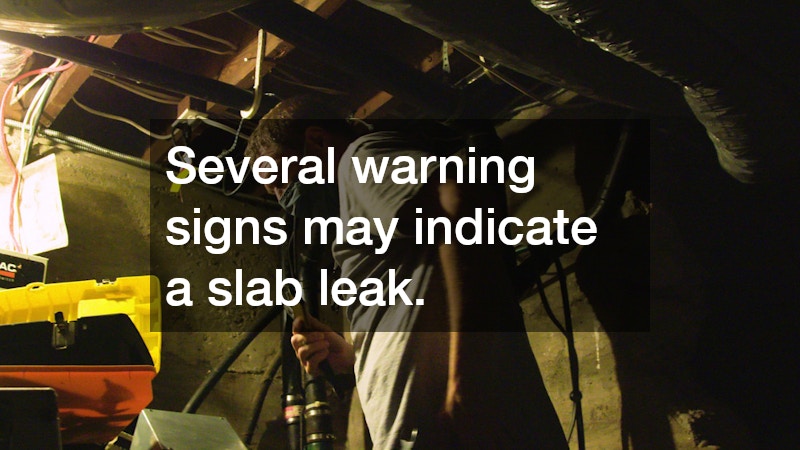
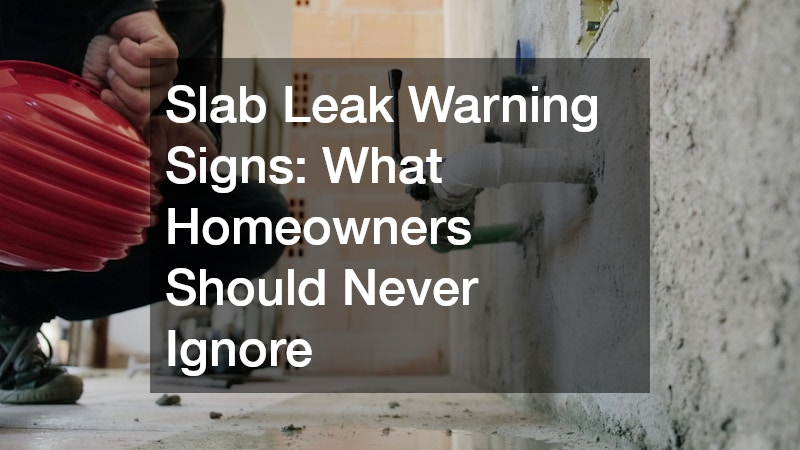
Several warning signs may indicate a slab leak, even when the leak itself is hidden. Unexplained increases in water bills are often one of the earliest indicators. Warm spots on floors, especially in homes with hot water lines under the slab, can also signal a leak. Additional signs include persistent damp or musty odors, visible cracks in walls or flooring, reduced water pressure, and the sound of running water when no fixtures are in use. In some cases, mildew or mold may appear along baseboards or flooring seams due to prolonged moisture exposure.
Professional slab leak detection typically involves non-invasive technology designed to locate leaks without unnecessary demolition. Acoustic listening devices can detect the sound of water escaping from pipes, while thermal imaging cameras identify temperature anomalies caused by leaking hot water lines. Pressure testing and electronic line tracing may also be used to isolate the affected section of piping. While some homeowners attempt basic DIY checks—such as monitoring the water meter for unexplained movement—advanced detection methods are usually required to pinpoint the exact location of a slab leak accurately.
Preventive monitoring plays a key role in early detection. Homeowners should periodically check their water meter, inspect visible plumbing for signs of corrosion, and remain alert to changes in water pressure or utility costs. Scheduling routine plumbing inspections can help identify vulnerabilities before they turn into active leaks. Maintaining consistent water pressure and addressing minor plumbing issues promptly reduces long-term strain on pipes beneath the foundation. Proactive maintenance is often far less costly than reactive repairs.
What Are the Repair Options Available for Slab Leaks?
Several repair methods are commonly used to address slab leaks, and the appropriate option depends on the location and severity of the leak. Spot repair involves accessing the damaged section of pipe directly through the slab and replacing it. While effective in certain cases, it may require cutting through flooring and concrete. Pipe rerouting is another option, where the damaged line is abandoned and a new pipe is installed through walls or ceilings instead of beneath the slab. Epoxy pipe lining, a less invasive technique, coats the interior of existing pipes to seal small leaks and reinforce weakened areas. Each method has distinct advantages, costs, and long-term considerations.
Choosing the right professional is essential for a successful repair. Homeowners should look for experience specifically related to slab leak detection and repair, proper licensing, and clear explanations of recommended solutions. A reputable plumbing company will provide transparent estimates, outline repair options, and explain the risks and benefits of each approach. It is also important to confirm that the provider uses modern detection equipment and follows industry best practices to minimize disruption to the home.
After repairs are completed, ongoing monitoring helps ensure the issue has been fully resolved. Homeowners should continue to watch for changes in water usage, pressure, or moisture levels. In some cases, follow-up inspections may be recommended to confirm the integrity of the repaired or rerouted lines. Preventive measures, such as pressure regulation and periodic plumbing assessments, can reduce the likelihood of future slab leaks and extend the lifespan of the home’s plumbing system.
Slab leaks pose a serious risk to both the structural integrity and financial value of a home, particularly when left undetected. Understanding the warning signs, acting quickly, and choosing the right repair strategy are critical steps in minimizing damage. With early detection, professional assessment, and proper maintenance, homeowners can protect their investment and avoid the extensive repairs that often accompany prolonged slab leaks.