Homeowners often treat interior design as the primary canvas for personal expression, leaving the property exterior as an afterthought consisting of basic turfgrass and utility concrete. However, a profound shift has occurred in how we perceive our living environments. Modern architectural design treats the property line, rather than the exterior wall, as the true boundary of the home. Restructuring your exterior property into a cohesive, jaw-dropping environment requires looking past simple weekend gardening projects and evaluating the entire parcel of land as a multi-layered architectural ecosystem.
The primary barrier to achieving a high-end exterior aesthetic is fragmentation. When a property features a disconnected wooden deck from one decade, a random assortment of patio pavers from another, and a chaotic mix of plant life scattered along the foundation, the visual language becomes noisy and uninviting. To fix this, you must approach your property restructuring through a holistic lens, treating hard elements, soft plants, and social hubs as structural layers that must speak to one another. By coordinating textures, managing topography, and planning for movement, you can expand your usable living square footage out into the open air while vastly improving your daily lifestyle.
Master the Slope with Tiered Structural Elements
An undulating or sharply sloping property can instantly make an exterior look unkempt and visually chaotic. Left unmanaged, slopes lead to soil erosion, patchy lawn growth, and water pooling near your home’s foundation. Restructuring a slope into flat, usable, tiered levels is one of the most effective ways to introduce clean geometric lines into your property design. By carving out terraces, you transform a useless hill into structural plant beds or elevated viewing platforms.
When engineering a terraced system, the materials you choose must match your home’s existing architectural style:
- Modern and Minimalist: Opt for smooth, large-format concrete blocks or crisp poured concrete walls with sharp 90-degree corners to create a gallery-like feel.
- Traditional or Craftsman: Utilize textured, split-face blocks or natural stone elements that mimic the natural geology of your region.
- Cottage or Rustic: Incorporate weathered, hand-hewn timbers or heavily textured stone units that evoke an old-world, organic atmosphere.
Proper construction is vital because these walls must withstand immense hydrostatic pressure from wet soil. For major structural transformations, collaborating with an experienced retaining wall paver specialist ensures the installation includes critical gravel backfill lines and weep holes for drainage. When executed properly, these tiers break up vertical monotony, draw the eye upward, and frame your home with an undeniable sense of deliberate design.
Define Boundaries with Clean, Architectural Lines
The perimeter of your property establishes the visual frame for your entire landscape canvas. Standard chain-link or basic pressure-treated wood privacy boundaries often feel heavy, institutional, or purely utilitarian. To elevate your home’s exterior, your perimeter boundaries should serve as architectural accents that reflect the home’s interior aesthetic.
Consider how changing the orientation and materials of your boundaries can completely transform spatial perception:
- Horizontal Slat Configurations: Utilizing warm cedar or composite materials in a horizontal pattern tricks the eye into perceiving a narrow yard as significantly wider.
- Mixed-Material Borders: Combining matte black metal posts with rich, natural wood infill panels creates a stunning industrial-modern contrast.
- Shadowbox and Louvered Designs: These styles allow light and air to filter through, prevents a small yard from feeling claustrophobic while still maintaining privacy.
Achieving a flawless, level perimeter over uneven terrain requires precision tools and expert calibration. Engaging professional fence installers protects you against sagging panels and unaligned posts that instantly ruin an upscale aesthetic. A crisp, straight border acts as a clean backdrop, contrasting beautifully against the soft, organic shapes of your plants and trees.
Elevate Vertical Accents and Foundation Facades
One of the most common design mistakes is leaving an exposed concrete foundation visible around the base of a home. This raw, gray stripe creates a harsh visual break between the ground and your siding, making the house look unsettled on its plot. Transforming these blank vertical surfaces into textured architectural features bridges the gap between your home’s structure and the surrounding earth.
Applying lightweight masonry cladding to your foundation walls, entryway pillars, or outdoor kitchen structures adds instant luxury and depth. Working with a dedicated stone veneer company allows you to select cut styles—such as dry-stack slate, ledger stone, or fieldstone—that ground your house. Choose a palette that pulls tones directly from your main body paint or trim. For instance, pairing charcoal stone accents with crisp white farmhouse siding creates an incredibly grounding, upscale focal point.
Cast Seamless Foundations for Outdoor Living Rooms
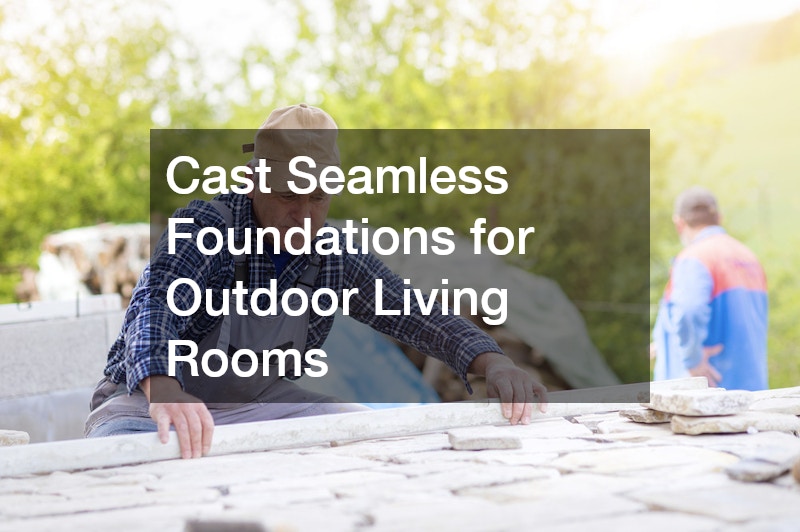
Just as interior rooms require solid floors, your outdoor living spaces need a premium, permanent footprint. A cracked, shifting walkway or an undersized patio limits your layout possibilities and cheapens the overall look of the property. Expanding your entertaining footprint with high-end masonry sets a clear stage for structural outdoor furniture and fluid foot traffic.
Modern masonry installations go far beyond simple gray pads:
- Stamped Textures: Concrete can be precision-cast to mimic premium slate, travertine, or even wide-plank European timber, giving you high-end beauty with maximum durability.
- Stained and Polished Finishes: Acid stains chemically react with masonry to create rich, variegated, variegated tones that emulate natural marble or iron oxide formations.
- Articulated Joints: Instead of traditional straight control joints, decorative geometric cuts can be integrated to form beautiful, modern patterns across the surface.
Because large-scale masonry works require intricate sub-base preparation, reinforcing rebar, and specialized finishing techniques, partnering with commercial concrete patio contractors ensures a flawless execution. A perfectly leveled, expansive masonry foundation serves as the anchor for your outdoor dining sets, lounge chairs, and transition paths, providing a sleek canvas that ties the entire backyard together.
Curate a Multi-Dimensional Botanical Layer
With your hard structural lines in place, you can begin layering the soft, living elements that bring color, movement, and softness to the property. True botanical design rejects the old method of planting a single row of uniform shrubs against a wall. Instead, an aesthetic property relies on multi-dimensional depth, texture variation, and seasonal succession.
To achieve an organic yet structured botanical layout, implement the classic three-tier design methodology:
- The Background Layer: Dense, columnar evergreen trees or large structural shrubs that establish a permanent green wall and provide year-round privacy.
- The Mid-ground Layer: Medium-sized deciduous shrubs, ornamental grasses, and structural perennials that introduce changing seasonal colors and fluid movement in the wind.
- The Foreground Layer: Low-profile groundcovers, delicate flowering annuals, and cascading stonecrops that spill over hard edges and soften harsh masonry corners.
Designing this balance requires a deep understanding of soil conditions, sun exposure, and regional growth patterns. Consulting with certified landscaping contractors helps you choose native species that thrive effortlessly, saving you from high-maintenance headaches. Native plants integrate naturally into the ecosystem, requiring less chemical intervention and looking inherently right on your land.
Automate Hydration for Effortless Vibrancy
An exceptional landscape design is only as good as its long-term health. Even the most meticulously curated botanical beds will quickly look dull, wilted, or patchy without consistent, targeted hydration. Manually dragging hoses across the yard is not only exhausting, but it also leads to uneven watering that wastes resources and stresses your plants.
Integrating a hidden, fully automated hydration network is the secret to maintaining that lush, estate-like vibrance year-round. Modern irrigation systems utilize smart controllers that sync with local weather data to adjust watering schedules in real-time. By dividing your property into distinct hydrozones, you ensure that high-exposure turf areas receive rotating spray coverage, while delicate flower beds and deep-rooted trees get precise, slow-release hydration via subterranean drip lines. Entrusting this installation to professionals who specialize in sprinkler systems ensures optimal water pressure distribution, zero unsightly surface pipes, and maximum water conservation.
Build a Cohesive Architectural Storage Solution

Every functional property requires utility storage for tools, mowers, and seasonal equipment, but these structures are too often treated as hidden eyesores. A cheap, prefabricated plastic or metal shed tucked away in a back corner instantly degrades an otherwise beautiful landscape. Instead, storage structures should be approached as accessory architecture that mirrors the main residence.
When designing a premium auxiliary structure, focus on matching the core design cues of your primary home:
- Rooflines and Pitch: Replicate the exact gable, hip, or shed roof angles of your house to create immediate visual continuity across the lot.
- Siding and Paint: Utilize identical siding materials, trim profiles, and paint color schemes so the structure looks like it was built in tandem with the house.
- Aesthetic Details: Incorporate window panes, flower boxes, copper downspouts, or architectural hardware that match your main entryway style.
By collaborating with a skilled custom shed builder, you can design a beautiful feature piece that serves multiple purposes. A well-designed accessory structure can double as a potting shed, a poolside cabana, or a quiet backyard home office, turning a standard utility space into a stunning asset.
Embed Low-Profile Hardscapes for Geometric Flow
Movement throughout your property should feel intuitive, safe, and visually engaging. A beautiful home exterior relies on pathways, borders, and hard structures to guide visitors naturally from one zone to another. Without these clear paths, lawns quickly become worn down into unsightly dirt tracks, and the yard lacks organizational structure.
Integrating premium hardscaping services into your master plan allows you to introduce geometric flow using natural stone, concrete pavers, or gravel grids. Think of pathways as the hallways of your outdoor home. For a contemporary look, utilize oversized, rectangular flagstone steps laid out in a clean, linear matrix with small gaps filled with vibrant green moss or architectural river rock. For a traditional style, sweeping curves made of tumbled brick pavers evoke a romantic, timeless feel. These paths don’t just connect spaces; they dictate the pace at which people experience your landscape, prompting them to slow down and appreciate the surrounding beauty.
Anchor Cozy Focal Points for Evening Ambiance
A truly masterful property restructuring ensures that the outdoor spaces remain vibrant and usable long after the sun goes down. Lighting and heating elements draw people out of the house, transforming dark yards into warm, glowing sanctuaries. To achieve this, design an evening focal point that naturally gathers people together.
Embedding a dedicated fire feature provides an instant visual anchor for your lounge area. The physical design of the fire element should directly reflect the overall style of your exterior:
- Modern Linear Tables: Long, rectangular gas fire tables finished in smooth concrete or marine-grade stainless steel complement contemporary architecture beautifully.
- Sunken Stone Pits: Deep, circular wood-burning configurations built into a masonry terrace evoke a classic, campground-style warmth perfect for rustic properties.
- Elevated Bowls: Artistic steel or cast-stone fire vessels can be placed symmetrically on masonry pillars to flank an entrance or frame a specific view line.
Positioning comfortable, weather-resistant seating around professional outdoor firepits creates an intimate destination zone. The ambient, flickering glow casts warm light across your paths and plantings, extending your home’s usability late into autumn and winter nights.
Protect Your Open-Air Oasis from Seasonal Elements

True outdoor luxury is defined by comfort. You can build the most breathtaking exterior on earth, but if your guests are constantly battling sweltering heat, chilly drafts, or biting insects, the space will ultimately sit empty. True property restructuring addresses these invisible environmental discomforts during the initial design phase rather than treating them as an afterthought.
Creating a defense system against seasonal nuisances keeps your outdoor living spaces truly relaxing. To protect your family and guests from bothersome pests without relying on ugly, buzzing light traps or smelly bug sprays, integrate subtle, automated defense measures. Investing in a professional outdoor pest control system allows you to build a protective barrier around your property line. These systems can include automated micro-misting arrays hidden discretely within your fence lines and planting beds, releasing organic botanical compounds that repel insects right before entertaining hours. When combined with strategic plant selections like lavender, rosemary, and lemon grass, you create an uncompromised, comfortable sanctuary where you can fully enjoy your beautiful surroundings.
Restructuring your property from a basic yard into an exceptional architectural exterior is a rewarding journey that blends engineering with design. By stepping away from piecemeal updates and focusing instead on a master layout plan, you can orchestrate a beautiful balance between permanent structural elements and living ecosystems. From the initial grading of slopes to the final installation of evening lighting, every thoughtful decision you make helps turn your land into an incredibly valuable extension of your daily life. When you approach your exterior property with the same care, intent, and stylistic standards as your interior spaces, you unlock the full lifestyle potential of your home, creating a sanctuary that provides peace, comfort, and pride for many years to come.