A home that looks beautiful in photographs usually reflects something deeper than surface-level styling. Behind every polished exterior and comfortable interior is a combination of thoughtful maintenance, reliable systems, and smart upgrades. When homeowners invest time into maintaining both the visible and hidden elements of their property, the result is a space that not only looks impressive but also functions smoothly.
Picture-perfect homes are rarely achieved through décor alone. Structural stability, efficient appliances, reliable utilities, and properly maintained systems all contribute to a home that feels well cared for. When these systems are neglected, small issues can quickly grow into noticeable problems that affect comfort, safety, and property value.
Taking a proactive approach helps homeowners avoid those complications. By focusing on both preventative maintenance and professional upgrades, you can protect your investment while improving the way your home looks and operates. The following professional tips highlight important areas that homeowners should monitor and maintain to keep their homes looking their best while running efficiently.
Start With a Solid Infrastructure Inspection
A home’s beauty and long-term value depend heavily on what lies beneath the surface. Before investing in cosmetic upgrades or interior improvements, it is important to confirm that the structural and underground systems of the home are functioning properly. Issues below ground or within the structure can eventually affect flooring, walls, plumbing systems, and landscaping.
Two of the most important systems to inspect are the home’s structural base and its underground plumbing infrastructure. Problems with either area can lead to costly repairs if ignored.
Common warning signs that indicate potential structural problems include:
- Cracks forming in walls or ceilings
- Doors and windows that suddenly stick or won’t close properly
- Uneven or sloping floors
- Gaps forming between walls and flooring
- Water pooling near the base of the home
If these signs appear, homeowners should consider scheduling a professional evaluation for possible foundation repair. Addressing structural shifts early helps prevent long-term damage to the home’s framework and interior finishes.
Underground plumbing systems are equally important. Aging or damaged pipes can lead to slow drainage, unpleasant odors, and even soil erosion around the property. In some cases, older homes may need partial or full sewer installation updates to replace outdated piping materials or correct improper slopes.
To protect these systems, homeowners should consider the following maintenance practices:
- Schedule routine plumbing inspections every few years
- Avoid planting large trees near underground sewer lines
- Monitor drainage around the property after heavy rain
- Address recurring plumbing clogs promptly
Taking these preventative steps strengthens the home’s structural integrity and creates a stable foundation for future improvements.
Improve Curb Appeal by Addressing Driveway and Exterior Surfaces
First impressions begin the moment someone approaches your home. Driveways, sidewalks, and exterior surfaces play a significant role in shaping how the property is perceived. Even a well-maintained home can appear neglected if the driveway is cracked, uneven, or deteriorating.
Over time, weather exposure, vehicle weight, and natural ground movement can damage paved surfaces. Small cracks may seem minor initially, but they can expand quickly when water enters and freezes beneath the pavement.
Signs that your driveway may need asphalt repair include:
- Visible cracks are spreading across the surface
- Small potholes are forming in frequently used areas
- Fading color and surface erosion
- Water pooling in low spots
- Loose gravel appears on the surface
Addressing these issues early can significantly improve curb appeal while preventing further deterioration.
Professional maintenance often includes sealing cracks, leveling surfaces, and applying protective sealcoating. Sealcoating is particularly helpful because it protects the driveway from ultraviolet damage, moisture penetration, and oil stains.
Homeowners can also extend the life of their driveways by following simple care tips:
- Clean oil or chemical spills quickly
- Avoid parking heavy vehicles in the same spot repeatedly
- Keep edges free of weeds or grass growth
- Reseal surfaces every few years
Maintaining exterior surfaces enhances the visual appeal of the property while also supporting safe vehicle access and long-term durability.
Upgrade Electrical Features to Enhance Lighting and Functionality
Lighting has a powerful influence on how a home looks and feels. Bright, well-placed lighting can make spaces feel larger, warmer, and more inviting. Outdated electrical systems, on the other hand, can limit lighting options and reduce the overall appeal of a home.
When homeowners plan renovations or interior upgrades, working with a home remodel electrician can open the door to many modern lighting and electrical solutions. These improvements not only enhance appearance but also increase convenience and energy efficiency.
Popular electrical upgrades that improve both form and function include:
- Recessed ceiling lighting for a clean, modern appearance
- Under-cabinet lighting in kitchens
- Dimmer switches for adjustable ambiance
- Smart lighting systems controlled through mobile apps
- Exterior landscape lighting to highlight architectural features
In addition to lighting upgrades, electrical improvements can enhance everyday functionality throughout the home.
Examples of helpful electrical updates include:
- Installing additional outlets in high-use areas
- Upgrading electrical panels for higher capacity
- Adding USB outlets for device charging
- Installing ceiling fans for airflow and comfort
Electrical upgrades are often best completed during remodeling projects, when walls and ceilings may already be accessible. Planning these improvements early can help homeowners avoid costly adjustments later.
Proper electrical work also supports safety by reducing overloaded circuits and outdated wiring, making the home both attractive and dependable.
Maintain Garage Doors for Both Appearance and Performance
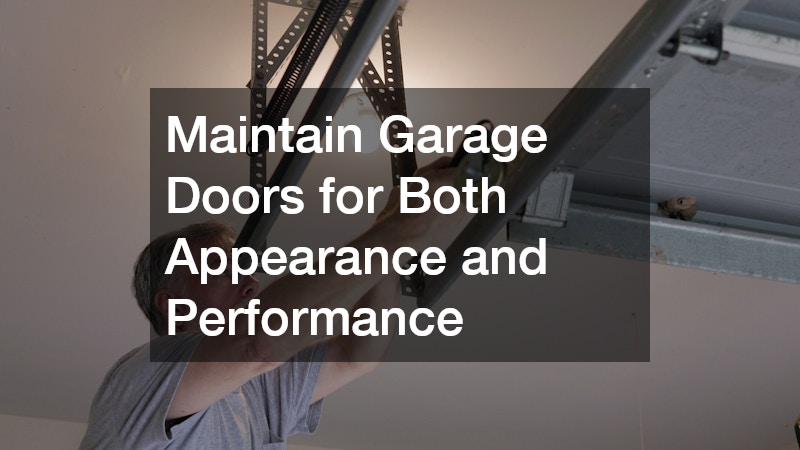
Garage doors are one of the most noticeable exterior elements of a home. Because they often occupy a large portion of the front façade, their condition can significantly influence curb appeal. A well-maintained garage door improves both appearance and functionality.
Over time, mechanical components within garage doors can wear down due to frequent use. Springs, cables, rollers, and tracks all require periodic inspection and maintenance.
Common signs that garage door maintenance is needed include:
- Grinding or squeaking noises during operation
- Slow or uneven door movement
- The door reversing unexpectedly
- Visible damage to panels or tracks
- Remote controls responding inconsistently
Homeowners should avoid attempting major repairs themselves, as garage door systems operate under significant tension. Instead, contacting a professional garage door company helps confirm repairs are completed safely and effectively.
Routine maintenance from a local garage door service may include:
- Lubricating moving components
- Tightening hardware and brackets
- Adjusting spring tension
- Inspecting safety sensors
- Testing door balance
Beyond repairs, homeowners may also consider upgrading garage doors to improve aesthetics. Modern designs offer a variety of styles, materials, and window options that can dramatically enhance a home’s exterior.
Regular maintenance helps the door operate smoothly while preserving its visual appeal.
Keep Laundry Equipment Running Smoothly to Avoid Household Disruptions
Appliances play a major role in maintaining a functional household. When one appliance stops working properly, everyday routines can quickly become inconvenient. The laundry room is a perfect example of this.
Dryers experience heavy use in many homes, which means they require regular care to maintain efficiency and safety. Ignoring small problems can lead to longer drying cycles, increased energy costs, or even fire hazards.
Homeowners should watch for warning signs that indicate the need for dryer repair, such as:
- Clothes are taking longer than normal to dry
- Burning smells during operation
- Excessive heat around the appliance
- Unusual banging or rattling sounds
- The dryer is stopping mid-cycle
One of the most important maintenance steps involves keeping the lint system clean. Lint buildup inside vents can restrict airflow and increase fire risk.
To maintain dryer performance, homeowners should:
- Clean the lint trap after every load
- Inspect external vent openings regularly
- Schedule professional vent cleaning periodically
- Avoid overloading the machine
When problems occur, professional repairs can help restore proper function while protecting other internal components from damage.
Maintaining laundry equipment contributes to a smoothly running household and prevents unnecessary disruptions to daily routines.
Maintain Indoor Comfort With Routine Cooling System Care
Temperature control plays a major role in maintaining a comfortable and enjoyable living environment. During warm months, reliable cooling becomes essential for both comfort and health.
Air conditioning systems work continuously during peak seasons, which means they are subject to wear over time. Without proper maintenance, efficiency can decline and small mechanical issues can escalate into costly failures.
Common signs that homeowners should consider air conditioning repair include:
- Weak airflow from vents
- Rooms cooling unevenly
- Higher energy bills than normal
- Strange noises are coming from the unit
- Warm air blowing from vents
Routine maintenance can significantly extend the lifespan of cooling systems. Professional service appointments often include inspecting components, checking refrigerant levels, and cleaning coils to improve efficiency.
Homeowners can also perform simple tasks to support cooling system performance:
- Replace air filters every few months
- Keep outdoor units clear of debris
- Maintain proper insulation in the home
- Use programmable thermostats to regulate temperature
Taking a proactive approach to cooling system care helps prevent unexpected breakdowns during the hottest parts of the year.
Improve Airflow and Indoor Air Quality Throughout the Home
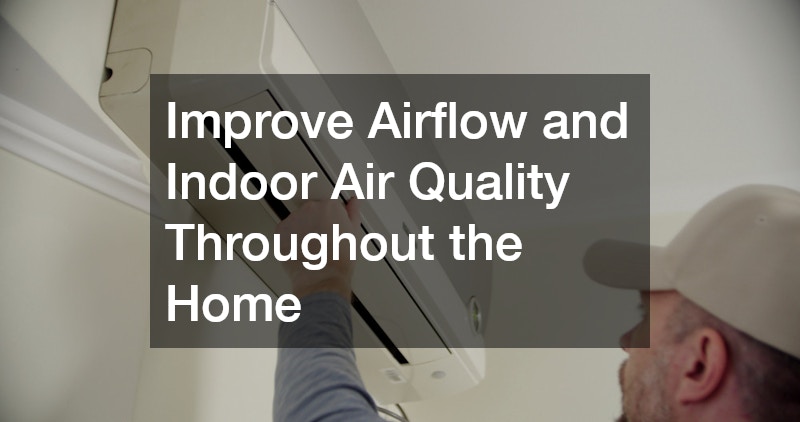
Indoor air quality is closely tied to the condition of a home’s ventilation system. Ductwork carries conditioned air throughout the house, helping regulate temperature and distribute fresh air.
Over time, ducts can develop leaks, cracks, or blockages that reduce airflow efficiency. These issues may cause certain rooms to feel warmer or cooler than others while also allowing dust and contaminants to circulate.
Signs that homeowners may need air duct repair include:
- Inconsistent temperatures between rooms
- Excessive dust accumulation indoors
- Unusual odors when HVAC systems operate
- Increased energy bills without an obvious cause
- Reduced airflow from vents
When ducts are damaged or poorly sealed, conditioned air escapes before reaching living spaces. This forces heating and cooling systems to work harder, increasing energy consumption.
Professional repairs may involve sealing gaps, replacing damaged sections, or adjusting airflow balance throughout the system.
Improving duct performance can offer several benefits:
- More consistent indoor temperatures
- Improved HVAC efficiency
- Reduced dust circulation
- Lower utility costs
Healthy airflow contributes to a more comfortable home while supporting overall system performance.
Protect Your Home With Reliable Hot Water Systems
Hot water is essential for many everyday activities, including bathing, cooking, cleaning, and laundry. Because water heaters operate frequently, they require consistent maintenance to function properly.
As water heaters age, internal components can begin to deteriorate. Sediment buildup inside tanks may reduce efficiency, while worn heating elements can cause inconsistent water temperatures.
Common warning signs that indicate service may be needed include:
- Water is taking longer to heat
- Fluctuating water temperatures
- Rust-colored water
- Unusual popping or rumbling noises
- Water is leaking around the base of the tank
If these issues appear, homeowners may benefit from contacting a professional water heater repair company to diagnose the problem and recommend solutions.
Preventative maintenance can help extend the life of the system. Key maintenance practices include:
- Flushing the tank annually to remove sediment
- Testing the pressure relief valve
- Inspecting the anode rod periodically
- Monitoring water temperature settings
Routine care supports consistent hot water availability while helping the system operate efficiently.
When water heaters function properly, they contribute to a comfortable and fully operational home environment.
Create a Preventive Maintenance Plan for a Picture-Perfect Home

Keeping a home looking beautiful and functioning smoothly requires ongoing attention. Rather than waiting for problems to appear, homeowners benefit from creating a long-term maintenance plan that addresses key systems throughout the year.
A well-organized maintenance schedule helps prevent small issues from developing into major repairs. It also allows homeowners to spread improvement projects over time, making them more manageable financially.
A comprehensive maintenance plan may include seasonal tasks such as:
Spring Maintenance
- Inspect the roofing and gutters after winter weather
- Check exterior siding and paint
- Clean outdoor drainage systems
Summer Maintenance
- Service cooling systems and ventilation
- Inspect outdoor lighting and landscaping
- Check driveway and walkway conditions
Fall Maintenance
- Clean gutters and downspouts
- Inspect insulation and weather stripping
- Prepare heating systems for colder weather
Winter Maintenance
- Monitor plumbing systems for freezing risks
- Inspect indoor ventilation systems
- Check smoke and carbon monoxide detectors
By staying consistent with inspections and preventative care, homeowners can protect both the visual appearance and mechanical performance of their property.
A home that looks truly picture perfect reflects more than attractive décor or landscaping. Behind the scenes, reliable systems, thoughtful upgrades, and consistent maintenance all contribute to a home that feels comfortable, safe, and well cared for. From structural stability to efficient appliances and proper airflow, each element of the home plays an important role in its overall condition.