
Energy efficiency in the modern era has evolved far beyond replacing incandescent lightbulbs with LEDs or turning down the thermostat a couple of degrees in the winter. Today’s home efficiency paradigm relies on a systemic, engineered approach to building performance. A modern home is a complex ecosystem where the structural shell, mechanical equipment, power grid, and plumbing channels work in tandem. When one component fails or performs inefficiently, it forces every other system to work harder, accelerating wear and inflating monthly utility expenditures.
Achieving true operational efficiency requires shifting focus from superficial quick fixes to deep structural and mechanical enhancements. Upgrading your living space for maximum energy efficiency lowers carbon footprint, stabilizes indoor temperatures across extreme seasonal changes, mitigates interior air pollutants, and safeguards structural integrity over decades. Crucially, targeted efficiency repairs consistently deliver high returns on investment by driving down base utility expenses while elevating property values. Taking a home from an energy drain to a high-performance living space requires analyzing how energy flows through the entire building.
Sealing the Roof Structure and Optimizing Attic Ventilation
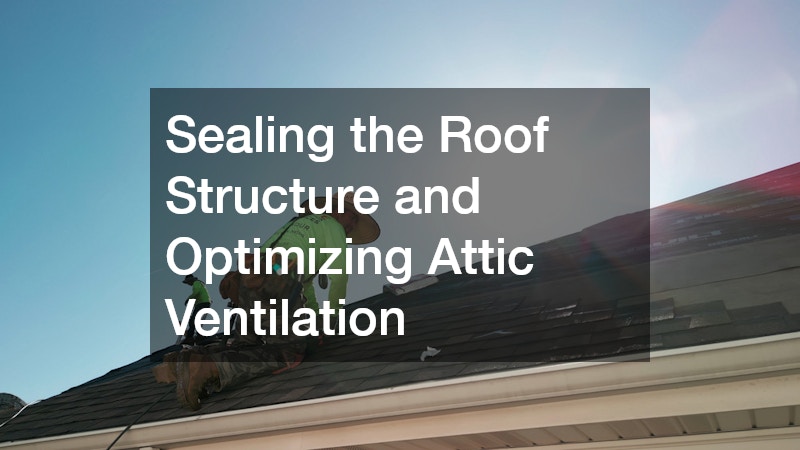
The roof and attic assembly represent the single greatest point of heat transfer in a residential structure. During summer months, solar radiation converts attic spaces into superheated chambers that push thermal energy down into living spaces. In winter, escaping heat melts roof snow, causing destructive ice dams.
- Install Radiant Barriers: Affix reflective aluminum radiant barrier sheathing along the underside of roof rafters. This application reflects up to 97% of radiant heat gain away from the attic cavity, dramatically lowering summer ceiling temperatures.
- Balance Intake and Exhaust Airflow: Ensure your soffit vents remain unobstructed by insulation batts. Pair continuous soffit intake vents with ridge exhaust vents to allow natural convection to draw cool air in from the eaves and flush hot, humid air out through the peak.
- Inspect Flashing and Roof Penetrations: Weathered boots around plumbing stacks and degraded roof flashing create micro-gaps that allow moisture and air infiltration. Engaging professional roofing services to repair compromised flashing, inspect roof decking, and recalibrate attic ventilation metrics ensures the upper envelope stays completely weather-tight and thermal energy remains contained.
Mitigating Thermal Bridging Through Exterior Wall Assemblies
Walls account for a massive percentage of a home’s exposed surface area. Standard wall construction suffers heavily from thermal bridging—a process where solid wooden wall studs act as energy bridges, transferring heat directly between the interior and exterior environments regardless of cavity insulation.
- Add Continuous Exterior Insulation: When updating wall cladding, apply rigid foam insulation (such as extruded polystyrene or polyisocyanurate) over structural sheathing prior to installing outer wall coverings. This breaks the thermal bridge created by internal framing studs.
- Seal Envelope Penetrations: Utilize expanding polyurethane foam around exterior hose bibs, gas line entry points, electrical service entrances, and exhaust vent hood terminations to stop direct air leakage.
- Upgrade Outer Cladding Systems: Over time, exterior siding warps, cracks, and detaches, creating voids where wind-driven rain and drafts penetrate structural framing. Partnering with a qualified siding service to install insulated exterior cladding backed with weather-resistive barriers eliminates drafts, protects the home from water intrusion, and delivers a robust extra layer of exterior insulation.
Advanced Fenestration Upgrades for Solar Heat Control
Legacy windows featuring single panes of glass mounted in uninsulated aluminum frames act as massive thermal drains. Modern multi-pane fenestration technology turns window openings from major energy leaks into high-performance thermal insulators.
- Transition to Low-Emissivity Double or Triple Panes: Upgrade window units to double- or triple-pane assemblies featuring microscopic metallic coatings (Low-E). These coatings block invisible infrared energy from entering during summer while reflecting internal radiant heat back into rooms during winter.
- Utilize Inert Gas Fillings: Choose window units featuring Argon or Krypton gas sealed between glass panes. These noble gases are denser than air, vastly diminishing conductive and convective heat transfer across the glazing pocket.
- Perform Perimeter Caulking Maintenance: Older frames often settle, splitting external sealant beads. Apply high-grade elastomeric silicone sealant around external perimeter frame joints to block incoming drafts.
- Engage Specialized Installers: Window replacements require precision plumb-and-level alignment alongside engineered flashing pan installation. Hiring dedicated window services can ensure new window frames are insulated with low-expansion foam to eliminate hidden peripheral air leaks.
Eliminating Large-Scale Drafts in Attached Spaces

The largest moving component in any home is the overhead garage door. When an uninsulated garage shares interior walls or ceiling structures with conditioned living areas, it acts as a massive thermal sink, pulling conditioned heat out of nearby rooms.
- Upgrade to Polyurethane Insulated Doors: Choose steel or composite garage doors featuring injected polyurethane foam cores. High R-value garage doors cushion the home from surrounding seasonal temperature swings.
- Replace Perimeter Weather Stripping: Over time, vinyl side-jamb seals and bottom rubber bulb seals degrade, split, or flatten out, allowing cold wind gusts to sweep underneath.
- Seal Wall Pass-Throughs: Apply expanding foam around electrical junction boxes, ductwork, and plumbing lines running through shared walls between living areas and attached garages.
- Schedule Precision Track Alignment: Relying on skilled garage door services allows homeowners to adjust track tension, replace worn rollers, and ensure tight, uniform seating against perimeter weather seals, completely stopping draft infiltration.
Transitioning to Variable-Speed Inverter Climate Control
Traditional heating and cooling units operate on a binary on/off mechanism. They fire up at maximum capacity, blow full power until the thermostat target is reached, and then shut down completely. This constant power cycling spikes electrical demand and leads to wide indoor temperature fluctuations.
- Adopt Cold-Climate Inverter Heat Pumps: Modern inverter heat pumps scale motor speeds precisely up and down based on real-time temperature demands. They operate continuously at lower, highly efficient speeds rather than drawing massive surges of power during frequent starts and stops.
- Implement Smart Multi-Zone Controls: Install motorized dampers within central duct branches paired with smart zone thermostats. This configuration stops heating or cooling empty, unused rooms while directing airflow precisely where family members gather.
- Perform Right-Sizing Calculations: Equipment that is oversized for a home will short-cycle rapidly, failing to dehumidify the air while wasting electricity. Consulting certified HVAC contractors becomes critical when upgrading equipment; they perform comprehensive Manual J load calculations that factor in wall insulation, square footage, and window exposure to size systems perfectly.
Removing Internal Resistance within Ventilation Systems
A high-efficiency climate control unit cannot perform correctly if the internal ductwork network restricts airflow or recirculates heavy concentrations of particulate debris. High static pressure inside duct lines forces blower fans to consume significantly more energy.
- Eliminate Dust and Debris Accumulation: Over years of operation, pet hair, drywall dust, pollen, and domestic debris collect inside supply and return ducts. This heavy build-up narrows internal air pathways, increasing mechanical resistance.
- Seal Duct Seals with Mastic: Traditional duct tape dries out, peels away, and leaks conditioned air into unconditioned basements, attics, or crawlspaces. Paint all metal duct joints with fibrous liquid mastic sealant or implement Aeroseal internal spray treatments.
- Establish Regular Maintenance Cycles: Clean or replace return air filters every 60 to 90 days with high-performance MERV-rated filters to ensure steady volumetric airflow while protecting sensitive indoor evaporator coils.
- Clean Main Duct Trunks: Investing in professional air duct cleaning helps pull accumulated debris out of duct branches, restoring original static pressure levels, lightening blower motor workloads, and improving indoor air quality.
Modernizing Main Service Panels and Thermal Diagnostics

Older 60-amp or 100-amp electrical service panels lack the throughput capability required to support home electrification. Running modern electrical appliances on overloaded breakers increases internal panel resistance, creating unnecessary energy loss in the form of ambient heat.
- Upgrade to 200-Amp Smart Service Panels: Replace outdated fuse boxes or legacy breaker panels with modern 200-amp (or 400-amp) distribution panels. Smart panels provide digital, circuit-level energy monitoring, showing homeowners exactly which appliances draw the most power in real time.
- Install Whole-Home Surge Protection: Mount surge protective devices (SPDs) directly inside the main breaker panel. Whole-home protection prevents utility grid spikes from damaging sensitive electronic control boards inside high-efficiency inverter heat pumps and modern smart appliances.
- Perform Thermal Imaging Audits: Loose terminal connections or corroded breaker jaws create high-resistance contacts that waste power as heat. Scheduling comprehensive residential electrical services ensures technicians can perform thermal imaging scans inside panels, identify hot spots, and torque internal connections to code.
Managing Heavy Loads with Dedicated Smart Circuits
Running modern high-draw appliances over under-sized wire gauges or shared sub-circuits causes voltage drops and dangerous thermal buildup inside hidden junction boxes.
- Route Dedicated High-Voltage Circuits: High-draw electrification equipment requires independent, dedicated wiring runs directly back to the main service panel. Run heavy-gauge copper conductors sized precisely for appliances like induction ranges, hybrid water heaters, and Level 2 EV chargers.
- Deploy Load Shifting and Smart Relays: Integrate smart load management switches that automatically defer high-draw appliance operations (like water heating or EV charging) away from peak utility pricing hours.
- Eliminate Aluminum Branch Wiring Hazards: Homes constructed with mid-century aluminum wiring face elevated electrical resistance and oxidization at terminal connections. Working with a licensed residential electrician provides the expert wiring remediation, copalum crimping, and panel balancing needed to safely run modern electrical loads.
Deploying High-Efficiency Water Delivery Systems
Traditional tank water heaters keep 40 to 80 gallons of water continuously elevated to high temperatures using electric resistance elements or gas burners, creating substantial standby heat loss 24 hours a day.
- Transition to Hybrid Heat Pump Water Heaters: Replace legacy resistance water tanks with modern Hybrid Heat Pump Water Heaters (HPWH). These units pull ambient heat from surrounding air and transfer it directly into stored water, operating up to 3 to 4 times more efficiently than standard electric tanks.
- Install Point-of-Use Demand Recirculation Pumps: Waiting for hot water to travel from a basement tank to a second-floor bathroom wastes gallons of potable water while leeching thermal energy into surrounding framing. Smart recirculating pumps deliver hot water rapidly on demand without running water down the drain.
- Insulate Exposed Hot Water Piping: Wrap exposed domestic hot water supply lines with pre-slit closed-cell foam insulation pipes to reduce thermal distribution losses as water travels to fixtures.
- Upgrade Core Plumbing Controls: Relying on experienced plumbing contractors enables homeowners to properly retro-fit drain-water heat recovery systems—which extract heat energy from falling shower drain water to preheat incoming cold lines—and safely balance home water pressure using high-flow pressure reducing valves.
Restoring Sewer Line Capacity and Reducing Friction Drag

Plumbing efficiency doesn’t end with water delivery; wastewater removal plays a key role in home infrastructure health. Scale, grease, and invasive tree roots inside main drain lines create hydraulic friction that impedes wastewater flow, leading to back-ups and unnecessary pump strain in homes equipped with ejector pits.
- Clear Scale and Grease Accumulation: Over years of use, soap scum, mineral scale, and cooking fats coat internal pipe walls, roughing up interior surfaces and narrowing total clear pipe diameter.
- Conduct Sewer Line Camera Inspections: Run fiber-optic sewer cameras down main waste lines to locate hidden offsets, pipe bellies, mineral crusting, and root intrusions.
- Eliminate Friction Drag: Scrubbing internal pipe walls clean restores the original smooth interior profile of cast iron or PVC sewer lines, allowing gravity-fed wastewater systems to drain rapidly with zero fluid drag.
- Utilize Professional High-Pressure Jetting: Utilizing hydrojetting services effectively strips hardened scale, grease, and intrusive tree roots from sewer lines using ultra-high-pressure water streams, completely flushing main drains without relying on harsh chemical cleansers that damage pipe materials.
Transforming your home into a high-performance, energy-efficient sanctuary is a cumulative process. While executing all these repairs and upgrades simultaneously yields the ultimate comfort and savings, taking a phased approach based on return on investment is often the most practical strategy.
Begin by identifying your home’s highest areas of efficiency loss. Scheduling a whole-home energy audit—complete with a blower door test and thermal imaging—will pinpoint exact draft locations, insulation voids, and mechanical deficiencies. Prioritize tightening your building shell and fixing leaky ductwork first, as these lower overall heating and cooling demands. With thermal losses mitigated, proceed to modernizing your electrical service, upgrading to heat pump technology, and refining your domestic plumbing networks. Through deliberate, systemic home repairs, you secure long-term utility savings, protect structural durability, and build a comfortable living environment designed for the modern age.