Homeownership comes with freedom, comfort, and long-term investment—but it also comes with responsibility. Behind the walls, above the ceiling, and beneath the floors are systems working quietly every day to protect your home and keep it comfortable. Because these systems usually operate out of sight, problems often go unnoticed until damage becomes unavoidable.
Many homeowners delay calling professionals because early symptoms seem minor or inconvenient. Unfortunately, what starts as a small issue often escalates into structural damage, health concerns, or emergency repairs. Recognizing warning signs early is the best strategy for preventing costly consequences. For instance, something as simple as a minor leak can lead to mold growth or damage to wooden beams, resulting in expensive remediation. Homeowners can take steps like performing seasonal inspections, checking for unusual odors, and monitoring system efficiency, which can reveal early indicators before they become major problems. Additionally, maintaining a schedule for regular inspections ensures that you are aware of any subtle changes that could point to hidden issues.
This guide walks through the most common indicators that your home systems need expert attention. By understanding what to look for—and when to stop attempting DIY solutions—you can protect your home, your budget, and your peace of mind.
When Your Roof Stops Protecting Your Home
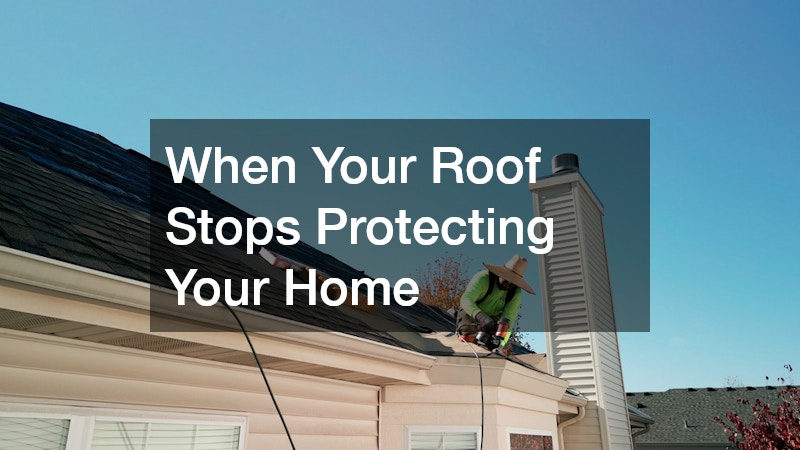
Your roof serves as the first line of defense against weather, temperature changes, and moisture intrusion. Because it’s rarely seen up close, roof damage often progresses silently until interior symptoms appear. Understanding early warning signs can help homeowners avoid widespread damage and costly restoration. Seasonal changes, such as extreme heat or cold, can accelerate wear on roofing materials, and heavy rains or ice accumulation can exacerbate underlying weaknesses. Regular inspections, ideally twice a year, help ensure shingles, underlayment, and flashing remain intact. Catching small problems, like minor granule loss on an asphalt shingles roof, can prevent more expensive roof repair down the line.
Subtle Visual Clues Homeowners Often Miss
From the ground, many roofing problems are easy to overlook. However, certain visual indicators suggest underlying issues that deserve immediate evaluation:
- Shingles that appear curled, cracked, or uneven
- Bald patches where protective granules have worn away
- Dark streaks that may indicate algae growth or trapped moisture
- Sections of the roofline that appear sagging or uneven
In addition to these signs, debris accumulation in valleys or gutters can reveal slow drainage, which often points to underlying damage or improper slope. Observing these indicators early can help determine if a roofing service is needed before more severe problems develop. Asphalt shingles roofs, in particular, show wear more visibly than other materials, making them easier to monitor for early signs of failure.
Interior Symptoms That Point to Roof Trouble
Often, the first noticeable signs appear inside the home rather than outside. Interior indicators include:
- Water stains on ceilings or walls
- Peeling paint or bubbling drywall
- Musty odors in the attic or upper floors
- Unexpected increases in indoor humidity
These symptoms usually suggest moisture intrusion. Water that penetrates compromised roofing can damage insulation, framing, and drywall over time. Mold spores may develop in hidden areas, creating both health risks and structural concerns. If left unaddressed, moisture can weaken the roof’s supporting structures, resulting in sagging or eventual collapse. Professional roof repair can stop the progression of damage and restore the integrity of the entire roofing system. Regular attic inspections can reveal early moisture accumulation, and using infrared cameras during professional assessments can detect hidden leaks.
Why Temporary Fixes Can Backfire
Some homeowners attempt quick fixes using sealants or patches. While these may reduce visible leaks temporarily, they often mask deeper issues such as:
- Deteriorated underlayment
- Failing flashing around vents and chimneys
- Inadequate attic ventilation
Such temporary measures may seem cost-effective but frequently delay proper repairs, allowing hidden damage to worsen. Additionally, improper patching can void warranties or compromise the overall roof system, especially when shingles are replaced incorrectly. By addressing problems promptly with professional guidance, homeowners can prevent expensive long-term damage, maintain energy efficiency, and ensure the safety and value of their home.
Performance Red Flags in Heating and Cooling Systems
Heating and cooling systems play a critical role in comfort, air quality, and energy efficiency. Because these systems operate frequently, even minor performance changes can signal larger mechanical problems developing behind the scenes. Many homeowners are unaware that early signs of system inefficiency can include subtle temperature fluctuations or minor increases in utility bills. By paying attention to these cues, you can avoid full system failures and extend the life of your HVAC components.
Comfort Issues That Signal System Trouble
If your home no longer maintains consistent comfort levels, it’s worth investigating further. Common warning signs include:
- Hot or cold spots throughout the house
- Rooms that never reach the desired temperature
- Systems that turn on and off repeatedly
These issues often point to airflow restrictions, failing components, or control system problems that require professional HVAC Service to diagnose accurately. Small blockages in ducts, malfunctioning thermostats, or worn-out fan motors can reduce efficiency. Ignoring these symptoms can lead to uneven heating or cooling, causing the system to overwork and consume more energy, ultimately raising costs. Regular inspections and system maintenance can prevent these minor issues from becoming major repairs.
Sounds, Smells, and Energy Spikes
Pay close attention to unusual sensory cues:
- Banging, rattling, or squealing noises during operation
- Burning or metallic odors when the system runs
- Sudden increases in energy bills without usage changes
Mechanical systems typically fail gradually. Addressing abnormal sounds or smells early can prevent complete system breakdowns during extreme weather. In some cases, persistent electrical smells may indicate wiring issues that are a fire hazard. Consulting with a licensed HVAC company ensures accurate diagnostics and timely repairs, preventing both system damage and potential safety risks.
Risks of Delaying Repairs
Ignoring early symptoms often leads to:
- Accelerated wear on critical components
- Reduced system efficiency
- Emergency breakdowns during peak seasons
When heating performance declines, timely heating repairs help preserve system lifespan and ensure reliable comfort when temperatures drop. Neglecting maintenance may also void system warranties or increase long-term costs, as emergency repairs tend to be far more expensive than preventive service.
Cooling System Issues That Require Expert Help

Cooling systems are complex and sensitive to small imbalances. When something goes wrong, comfort, humidity control, and indoor air quality can all suffer. Ignoring minor issues can create expensive consequences, including compressor failure or duct corrosion. Regular monitoring of your air conditioning system and using professional AC services ensures that any problems are identified before they affect home comfort.
Signs Your Cooling System Is Struggling
Watch for indicators that cooling performance is declining:
- Warm air blowing from vents
- Ice forming on coils or refrigerant lines
- Water pooling around indoor units
These symptoms often signal refrigerant issues, airflow problems, or mechanical failures. Attempting to troubleshoot without proper training can worsen damage or create safety risks. Professional AC services can properly measure refrigerant levels, test airflow, and ensure that the unit is operating efficiently. Addressing issues early prevents total system failure and improves energy efficiency, which reduces monthly energy costs.
Health and Air Quality Concerns
Cooling systems play a major role in regulating indoor air. When performance declines, homeowners may notice:
- Increased dust accumulation
- Higher humidity levels
- Persistent musty odors
These issues can aggravate allergies and respiratory conditions. Mold or bacterial growth within ductwork can cause widespread air quality issues, making professional HVAC company inspections critical. Preventive maintenance, including filter replacement and coil cleaning, ensures both comfort and health are maintained.
When Repeated Issues Signal Bigger Problems
If cooling problems persist despite repeated adjustments or part replacements, the issue may be systemic. Common underlying causes include:
- Improper system sizing
- Aging ductwork
- Electrical or control board failures
Professional evaluation helps determine whether repairs or system upgrades are the most cost-effective long-term solution. Addressing these issues early avoids sudden system failures during the hottest months, protecting both household comfort and investment in HVAC equipment.
Roofing Concerns That Go Beyond Visual Damage
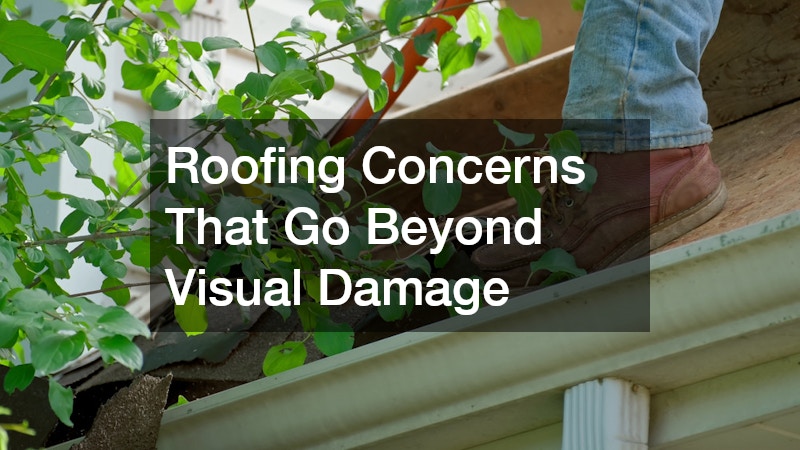
Roof problems aren’t always obvious, especially after storms or years of gradual wear. Even when shingles appear intact, underlying components may be compromised. Detecting these issues early prevents water intrusion and protects the structural integrity of your home.
Storm Aftermath and Hidden Risks
Severe weather can damage roofing systems in ways that aren’t immediately visible:
- Wind can lift shingles without tearing them off
- Hail can bruise materials beneath the surface
- Flashing may loosen around roof penetrations
These hidden issues often lead to leaks months later. Scheduling a professional roofing service inspection after severe weather helps catch damage early. Additional inspections can also identify areas of roof stress before they fail completely, extending the roof’s lifespan.
Aging Materials and Structural Fatigue
All roofing systems have a lifespan. As materials age, they lose flexibility and resistance. Warning signs include:
- Increased frequency of minor leaks
- Shingles breaking instead of bending
- Granule buildup in gutters
A local roofer understands regional weather patterns and material performance, making them well-equipped to assess whether repairs or replacement are appropriate. Preventive repairs are far more affordable than emergency full replacements caused by neglected deterioration.
Why Expertise Matters
Roofing systems involve layers working together—shingles, underlayment, ventilation, and flashing. Improper repairs can disrupt this balance, leading to further damage. Professional evaluation ensures all components function as a unified system and that repairs meet building code standards.
Plumbing Warning Signs You Should Never Ignore
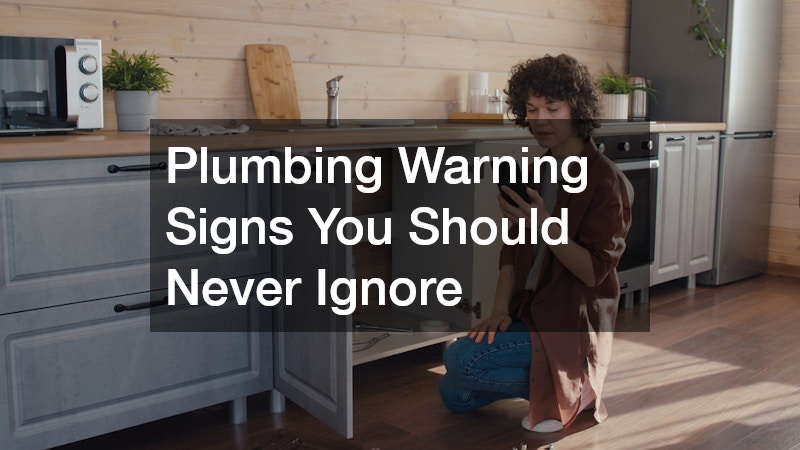
Plumbing problems often develop quietly behind walls or beneath floors. Because water causes damage quickly, early detection is critical. Regular observation, including listening for unusual sounds and monitoring water bills, is essential for avoiding costly repairs.
Changes in Pressure, Drainage, and Water Quality
Pay attention to everyday plumbing behavior:
- Slow drains in multiple fixtures
- Inconsistent water pressure
- Discolored or foul-smelling water
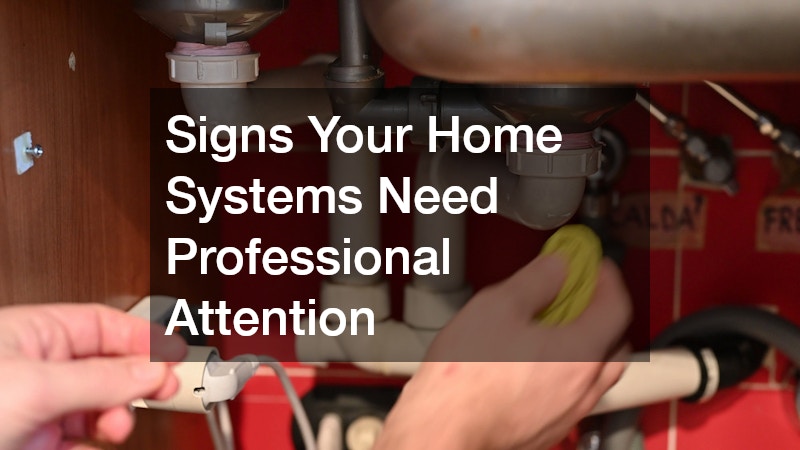
These signs may indicate buildup, corrosion, or supply issues that require a plumber to diagnose safely. Timely intervention through professional plumbing services prevents minor clogs from escalating into burst pipes or systemic leaks.
Hidden Leaks and Structural Risks
Leaks don’t always present as visible drips. Hidden indicators include:
- Warped flooring or soft spots
- Water stains on walls or ceilings
- Sounds of running water when fixtures are off
Unchecked leaks can lead to mold growth, wood rot, and foundation damage. Professional plumbing services use specialized tools to locate and address leaks before extensive damage occurs. Early detection also helps homeowners avoid prolonged exposure to water damage and high repair costs.
Why DIY Solutions Often Fall Short
Store-bought drain cleaners and temporary fixes may offer short-term relief, but can cause long-term harm by:
- Corroding pipes
- Masking underlying blockages
- Delaying proper repairs
Professional assessment ensures the root cause is addressed, protecting both the plumbing system and the home’s structure.
Your home’s systems are interconnected, and problems rarely stay isolated. A small leak can damage structural materials, poor airflow can strain mechanical components, and minor roof damage can lead to interior deterioration. The earlier issues are identified, the easier—and more affordable—they are to resolve. Ignoring small warning signs can allow damage to compound, resulting in costly repairs, energy inefficiencies, and even health hazards such as mold or poor indoor air quality. By taking action early, you can extend the lifespan of your home’s major systems and maintain the overall value of your property.
Being proactive doesn’t mean overreacting to every noise or imperfection. It means understanding warning signs, knowing the limits of DIY solutions, and recognizing when professional expertise is needed. Simple preventative measures, such as scheduling seasonal inspections, changing filters, cleaning gutters, and monitoring for leaks, can prevent minor issues from escalating. Additionally, maintaining a log of maintenance activities and noting any unusual changes in your home’s systems can help you or a professional identify patterns before they become serious problems.
By staying alert and addressing problems early, homeowners protect not only their investment but also their comfort, health, and peace of mind for years to come. Prioritizing timely professional intervention ensures your home remains safe, efficient, and enjoyable, while giving you confidence that your systems are functioning at their best. Taking these steps today saves both time and money tomorrow, transforming reactive home maintenance into proactive home care.